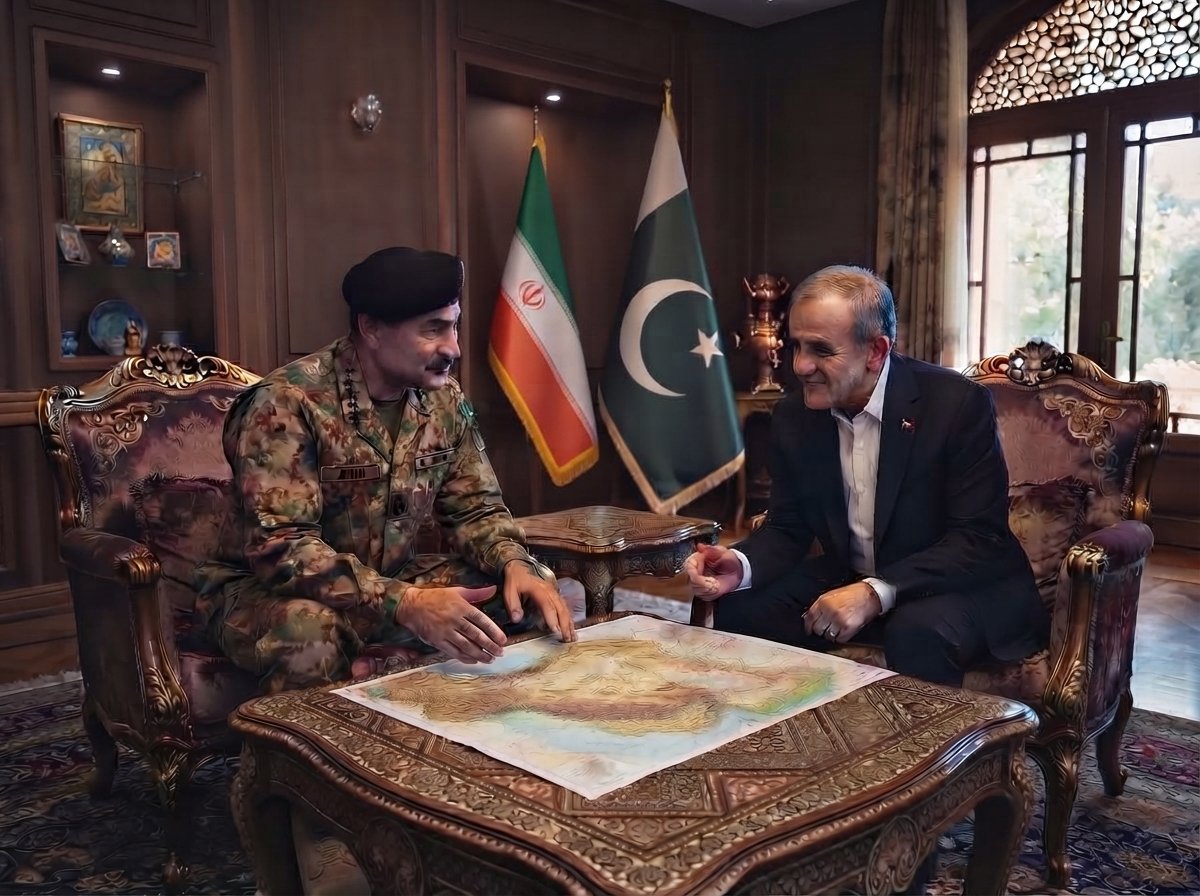
A Crucial Mediation at a Fragile Moment
The recent high-level visit of Pakistan’s
Chief of Army Staff, Field Marshal Syed Asim Munir, to Tehran represents a
significant diplomatic milestone. Taking place amidst escalating Middle East
friction and persistent standoffs between Washington and Tehran, the engagement
demonstrates Pakistan’s active pursuit of diplomatic off-ramps.
The Iranian leadership’s warm reception and
their characterization of the discussions as positive reflect strong bilateral
trust and signal a shared desire to lower regional temperatures.
Key Objectives Of The Tehran Visit
[ De-escalating US-Iran Friction] ──► [
Reopening the Strait of Hormuz] ──► [
Restoring Regional Economic Stability]
·
Navigating the US-Iran
Standoff: Pakistan maintains deep historic, economic, and border ties with neighbouring
Iran, alongside critical strategic relations with the United States. Islamabad
is leveraging this unique positioning to serve as an objective bridge, urging
dialogue over military brinkmanship.
·
The Strategic Significance of
the Strait of Hormuz: Reopening and securing commercial navigation through the
Strait of Hormuz is essential for the global economy and South Asian energy
security. Protracted disruptions in maritime corridors risk fuelling severe
energy price spikes and import inflation across regional developing nations.
·
Bilateral Border and Security
Cooperation: In addition to regional diplomacy, the talks reinforced mutual
commitments toward border security management, intelligence sharing,
counter-terrorism coordination, and the expansion of bilateral trade routes.
Strategic Imperatives For Sustained Diplomacy
| Priority Area | Diplomatic Objective | Expected Impact |
1. Principled Neutrality
Maintaining balanced, objective relations without joining external military pacts.
Solidifies Islamabad's standing as an honest, credible regional mediator.
2. Institutional Synergy
Close coordination between the military leadership and the Foreign Office.
Delivers a consistent, unified national foreign policy narrative.
3. Regional Coordination
Multilateral engagement alongside key partners including Saudi Arabia, the UAE, Oman, and Qatar. Builds broad diplomatic momentum to prevent unilateral military escalation.
The Road Ahead: Converting Dialogue Into Durable Stability
While military posturing provides temporary
tactical leverage, lasting stability can only be built through sustained
dialogue, multilateral agreements, and mutual respect for sovereign interests.
·
Preventing Regional Contagion:
A full-scale regional conflict carries severe humanitarian and economic
consequences that South and West Asia cannot afford.
·
Active Conflict Resolution: A
successful diplomatic initiative requires more than one-off visits; it demands
an enduring, structured mediation framework that brings all primary
stakeholders to the negotiating table.
Conclusion
Field Marshal Asim Munir’s diplomatic
mission to Tehran underscores Pakistan’s commitment to regional peace and
stability. By upholding balanced diplomacy, coordinating closely across foreign
and security institutions, and facilitating communication between conflicting
powers, Pakistan continues to play a constructive role in de-escalating
tensions and fostering collective regional resilience.