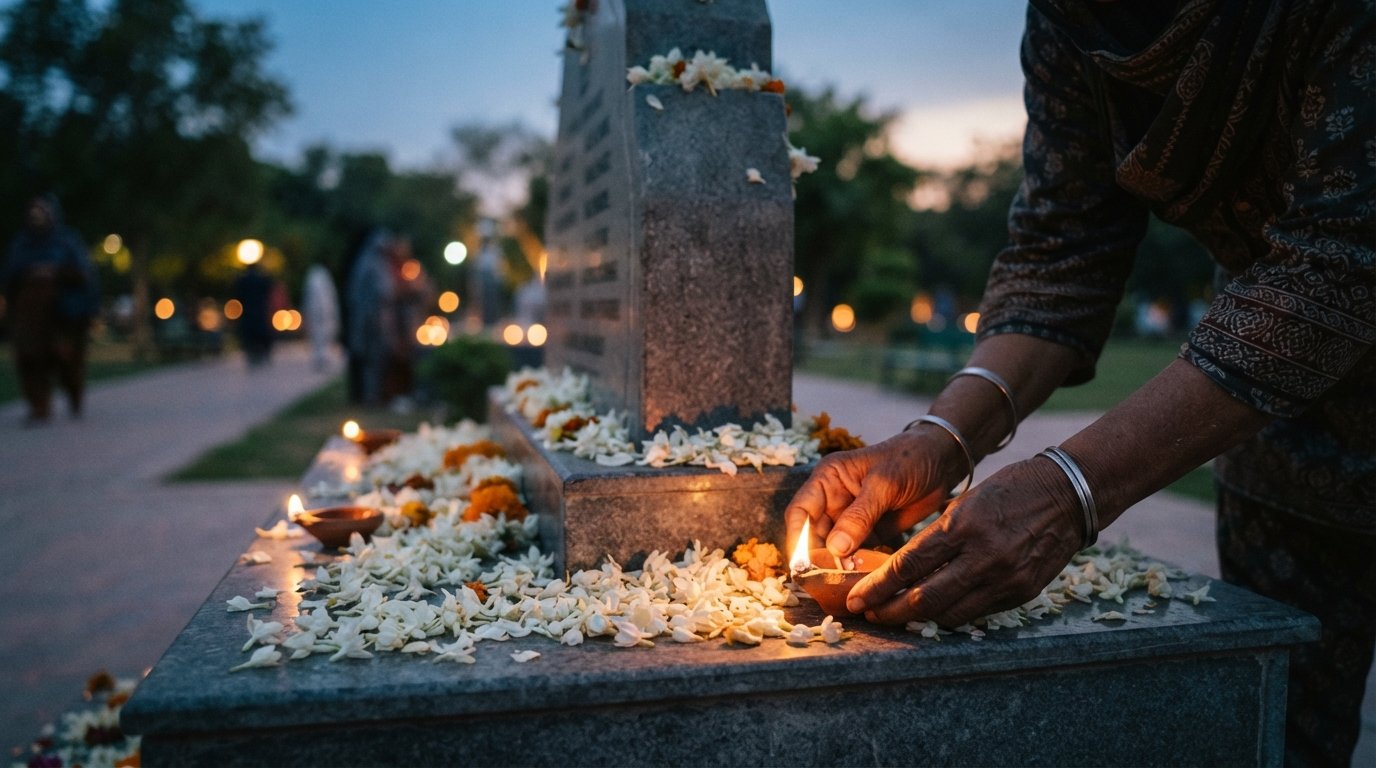
A Quarter-Century of Sacrifice and Resilience
Over the past twenty-five years, Pakistan
has borne an immense and tragic human toll in the global and regional struggle
against terrorism. As the world observes the "United Nations International Day of
Remembrance of and Tribute to the Victims of Terrorism"
(https://www.un.org/en/observances/terrorism-victims-day) on August 21 under
the global theme ‘Healing through Memory’, it is imperative for the state and
society to reaffirm their solemn pledge: to permanently root out violent
extremism while ensuring lifelong care, dignity, and justice for the families
left behind.
The Human Cost: A 25-Year Chronology
The scale of human loss across Pakistan
reflects a relentless assault on civilian life and state institutions alike: 2001 to
2022: Following the onset of the post-9/11 War on Terror, terrorist violence
claimed over 83,000 lives in
Pakistan.
·
2021 to Present: Following the
Afghan Taliban’s return to power in Kabul, terrorist networks regrouped,
accelerating attacks and adding thousands more casualties to this grim national
tally.
·
Indiscriminate Targets: Across
two and a half decades, violent extremist groups have targeted mosques,
churches, Imam bargahs, open bazaars, religious processions, schools, and madrasahs without distinction.
·
A Resurgent Threat: Although
extensive military operations successfully dismantled initial insurgent
strongholds from 2007 onward, a new generation of militants has
emerged,demanding an unyielding and modern counterterrorism posture.
[ 2001: War on Terror Begins] ──► [ 83,000+ Martyrs
(2001–2022) ] ──► [ 2021 Kabul Shift:
Resurgent Waves]
Key Pillars Of Victim-Centered Support
As highlighted in the editorial analysis
from [Dawn News] (https://www.dawn.com/news/2024268/victims-of-terrorism),
counterterrorism strategy must extend beyond battlefield operations to
encompass comprehensive care for survivors and bereaved families:
1. Transparent and Dignified Financial
Assistance
·
Next-of-Kin Support: The state
must guarantee that the families of all victims whether frontline armed forces,
law enforcement personnel, or civilian citizens receive direct, dignified
financial backing.
·
Streamlining “Shuhada”
Packages: Welfare and compensation packages must be disbursed transparently and
efficiently, removing administrative bottlenecks and delays.
2. Lifelong Care for Disabled Survivors
·
Those who survive terrorist
attacks with severe physical injuries or permanent disabilities often lose
their livelihoods and earning capacity.
·
The state must provide
permanent monthly stipends, subsidized medical supplies, and vocational
assistance to ensure long-term independence and dignity.
3. Specialized Psychological Recovery
·
Beyond physical wounds,
terrorist violence leaves deep psychological trauma, post-traumatic stress, and
grief among survivors and children.
·
Expanding professional
psychiatric care and community mental health services is essential to expedite
psychological healing and emotional recovery.
The Ultimate Tribute: Eliminating Terrorism
While financial welfare and memorialization
are indispensable, the highest Honor the nation can pay to its martyrs is “to
permanently uproot the scourge of violent extremism from Pakistani soil”. This
requires:
· Zero tolerance
for militant safe havens and terror financing networks.
· Strict border
security mechanisms to prevent cross-border infiltration.
· Coordinated civic
and educational narratives that counter radicalization at its ideological
roots.
Conclusion
The sacrifices of tens of thousands of
innocent men, women, children, and security personnel must never fade into mere
statistical records. By standing firmly with victims' families and
demonstrating unshakeable national resolve against violent extremism, Pakistan
can ensure that the blood of its martyrs paves the path toward lasting peace,
security, and stability.