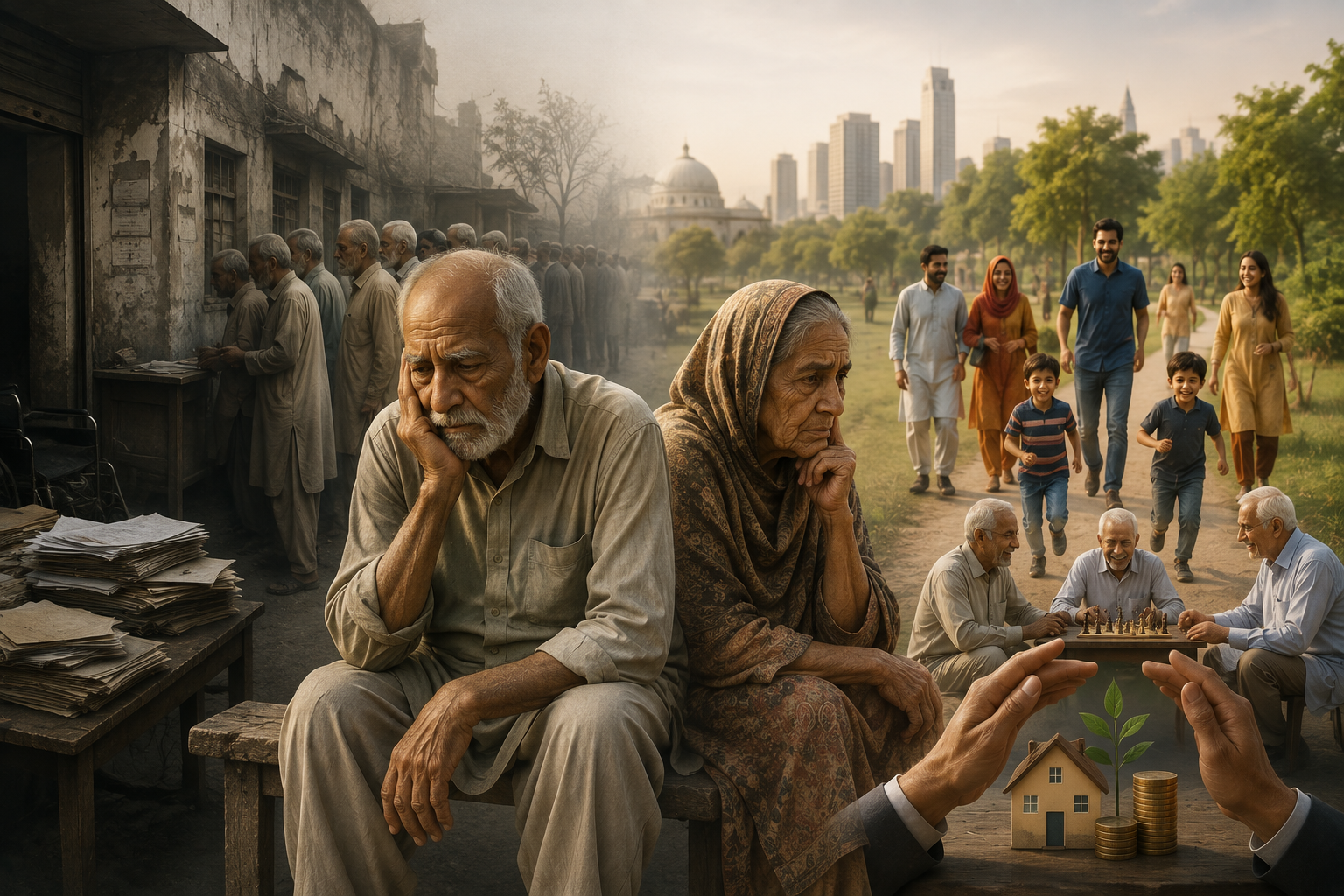
A Demographic Contrast: Youth Promise vs. Elderly Vulnerability
According to national and international
human development reports, nearly 64% of Pakistan’s population is under the age
of 30. While this vast demographic represents boundless energy and future
economic potential, it often overshadows another critical demographic reality:
the growing neglect and socio-economic vulnerability of retired senior
citizens.
In developed societies, retirement is
designed as a secure, dignified chapter of life supported by robust pension
schemes, comprehensive geriatric healthcare, subsidized transit, and community
engagement centres. In contrast, retired workers in Pakistan frequently face a
sudden drop in living standards, bureaucratic hurdles, and acute social
isolation.
The Crisis Of Retirement And Social Security In Pakistan
1. Meagre Pensions Amid Soaring Inflation
For private-sector workers, the primary
social safety net is managed by the Employees' Old-Age Benefits Institution
(EOBI).
·
Insufficient Financial Relief:
Even with minimum monthly disbursements around Rs. 10,000 to Rs. 11,500, the
pension amount is severely inadequate against current costs of living,
essential prescription medications, and utility bills.
·
Disproportionate Burdens: While
government pensions undergo periodic budgetary revisions, hundreds of thousands
of registered private-sector retirees receive sums that barely cover a single
week of household groceries.
2. Bureaucratic Roadblocks and Loss of
Dignity
·
Complex Verification
Procedures: Frail senior citizens are routinely required to undergo cumbersome
physical biometric verifications, navigate lengthy office queues, and provide
redundant employment documentation.
·
Lack of Digital Inclusion:
Although institutions have introduced online verification, low digital literacy
among the elderly means they remain dependent on third-party intermediaries and
exploitative retail agents.
The Erosion Of Social Recreation And Care Infrastructure
[
Active Working Life] ──► [ Retirement / Loss of Regular Income] ──► [ Isolation & Lack of Social Spaces]
·
Absence of Senior-Friendly
Spaces: Urban areas offer virtually no dedicated daycare centres, recreational
clubs, or subsidized hobby spaces designed to accommodate elderly physical
mobility and mental well-being.
·
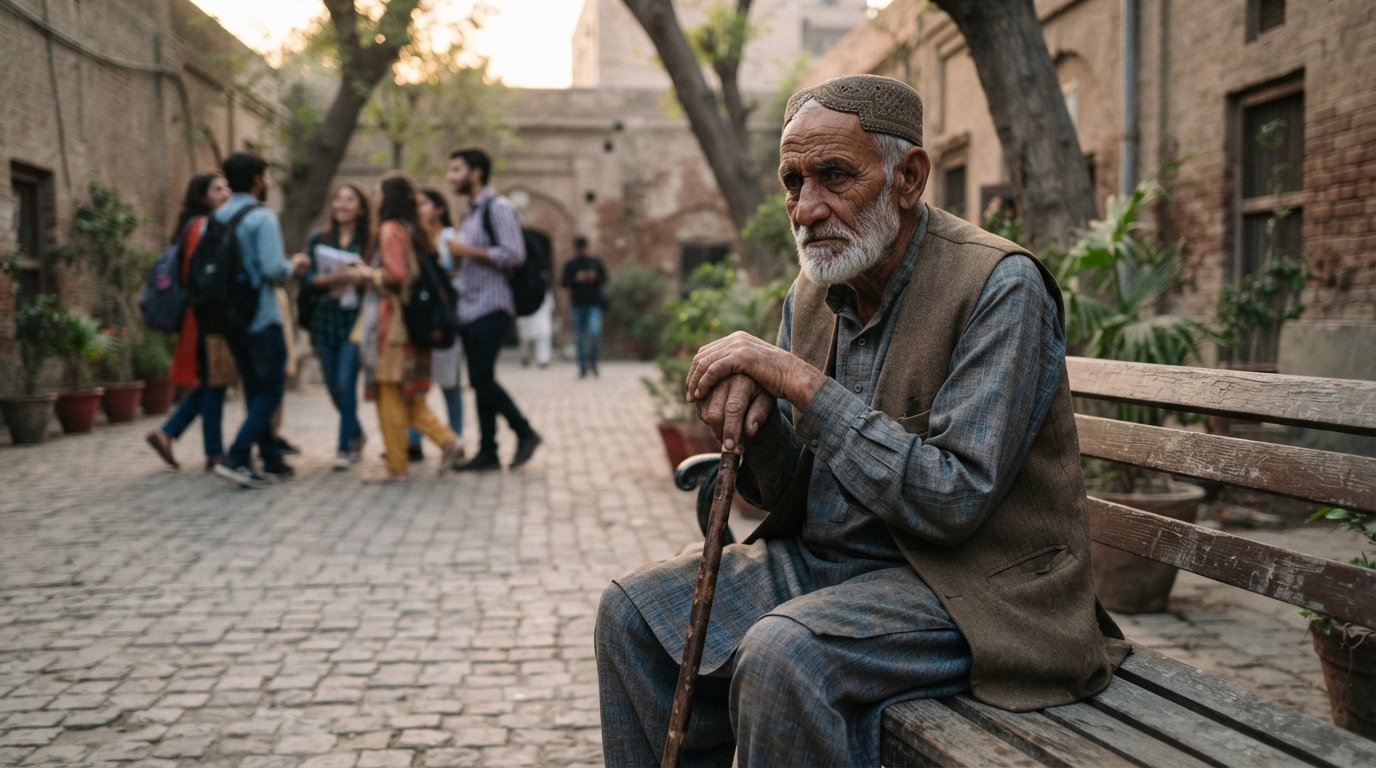
The "Torn Blanket"
Parable of Domestic Neglect: Beyond institutional shortcomings, familial
attitudes are rapidly deteriorating. As younger generations grapple with
fast-paced careers and rising economic stress, elderly parents often find themselves
sidelined in their own homes treated as financial or logistical burdens rather
than venerable pillars of wisdom.
Policy Roadmap: Restoring Dignity To Our Seniors
To build an equitable, compassionate
society, comprehensive structural reforms must be implemented by both the state
and civil society:
1. Structural Pension Reforms
·
Indexation to Minimum Wage: Tie
minimum EOBI and private pension rates directly to national minimum wage
standards and inflation indexes rather than arbitrary, delayed increments.
·
Streamlined Doorstep
Verification: Introduce mobile verification units and simplified digital
authentication for pensioners with limited physical mobility.
2. Universal Senior Citizen Healthcare
Cards
·
Guarantee 100% subsidized
coverage for chronic geriatric illnesses (hypertension, diabetes, cardiac care,
and arthritis), along with free diagnostic screenings and subsidized
prescription medicines.
3. Dedicated Senior Welfare Infrastructure
·
Establish municipal senior
citizen activity centres, accessible green walking tracks in public parks, and
subsidized public transit across all major urban hubs.
4. Fostering Intergenerational Empathy
·
Educational curricula and media
campaigns must actively promote filial responsibility, respect for elders, and
the preservation of family bonds.
Conclusion
A society’s moral and ethical standing is
measured by how it treats two groups: its youth preparing for the future, and
its elders who built its foundations. Honouring the lifetime contributions of
our retired citizens requires more than superficial sympathy—it demands
dignified financial support, accessible healthcare, and unconditional societal
respect.