A New Eye-Opener
Water is vital for sustaining life.
Therefore, establishing a proper schedule for its daily intake is extremely
important. When the body experiences a severe shortage of water—such as after
running or heavy exertion and water is not provided, this deficiency turns into
dehydration. Dehydration is particularly likely to occur during hot weather
because water is excreted rapidly through sweat. However, avoiding it is very
easy: drink enough water.
Yet, we often ignore this simple act,
leading to various complications. According to medical science, human body
weight consists of 1 to 2 percent water loss, which impairs daily functional
performance. Unfortunately, identifying the early stages of severe dehydration
is not easy because its symptoms closely resemble those of other common health
issues. Nonetheless, if you experience the signs listed below, it is best to
drink a glass of water immediately to check whether your body is facing a water
shortage.
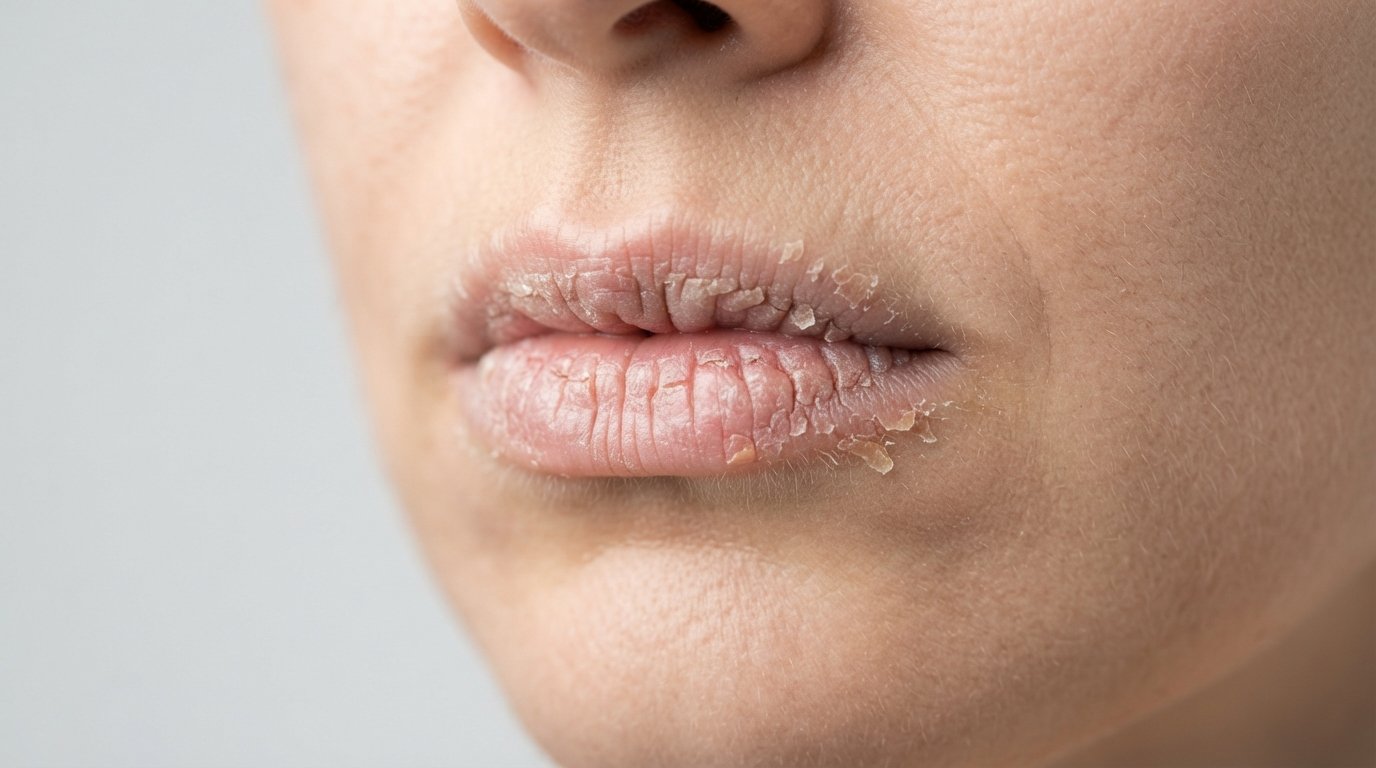
Bad Breath or Dry Mouth
It is not necessary for bad breath to
always be caused by water deficiency, but it is one of the key symptoms. When
there is a lack of water in the body, saliva production decreases. Saliva
contains antibacterial agents that clean the mouth and destroy odor-causing
bacteria; a lack of it leads to bad breath.
Similarly, a constant feeling of dry mouth
can also be resolved by drinking 1 to 2 glasses of water. If the problem
persists after hydration, it may indicate a temporary illness or condition,
though water deficiency remains one of the primary causes.
Change in Urine Color
While a change in urine color can result
from various health issues, it is often an easy indicator of dehydration. If
your urine appears dark yellow, it indicates a lack of water, which can be
remedied by drinking 1 to 2 glasses of water. Make a habit of drinking plenty
of water so that the urine color becomes clear or light yellow, which is a sign
of proper hydration.
Muscle Cramps or Pain
Experiencing muscle cramps or pain during
exercise can also be a sign of dehydration. During exercise, body fluids and
electrolytes are lost, causing an imbalance in sodium and potassium levels.
These minerals help maintain fluid balance in muscles and regulate nerve
impulses. Dehydration or cramps can occur not only during strenuous physical
activity but also during routine daily tasks.
Headaches
Mild to severe headaches are a common
symptom of dehydration. A dehydration headache can range from mild to intense
and severe. It can impair a person's ability to perform daily routine work
effectively. Experts note that temporary dehydration can manifest as a
headache.

Sudden Dizziness
If you suddenly feel dizzy, it could be a
sign of dehydration or an underlying medical issue that requires attention. Hot
weather can trigger dehydration symptoms that mimic fever. Sudden feelings of
dizziness can be caused by dehydration, which can be addressed by increasing
water intake.
Loss of Appetite or Craving Food
Thirst and fatigue often overlap with
hunger. Because a large portion of the brain controls body temperature and
regulates fluid balance, dehydration can easily be mistaken for hunger. If you
start feeling hungry shortly after eating, it might actually be thirst rather
than true hunger. In such cases, sudden food cravings might simply be your
body's response to dehydration.
Fatigue
Maintaining adequate water levels in the
body provides essential energy for proper physical and mental function.
Dehydration reduces blood volume, putting extra pressure on the heart to pump
blood and oxygen throughout the body. This strain directly impacts sleep
quality and overall physical performance, leading to persistent fatigue and
exhaustion.
Water Crisis in Pakistan
Due to climate change and inadequate
management, water levels in Pakistan are rapidly declining. It is reported that
at the time of Pakistan's creation, per capita water availability in the
country was 5,000 cubic meters, which has now dropped to less than 1,000 cubic
meters. This severe reduction is attributed to population growth, urban
expansion, and inefficient water distribution systems.
Furthermore, cash crops like sugarcane and
cotton consume massive amounts of water compared to crops like pulses and
coarse grains. Pakistan's forest cover is critically low—less than 5% and
deforestation continues to degrade ecosystems and alter local microclimates.
Coastal areas have also suffered due to the depletion of mangrove forests,
leaving communities vulnerable to extreme weather events.
Climate change has already triggered severe
crises, such as the 2010 floods in Pakistan and South Africa's "Day
Zero" water crisis in Cape Town. Reports from 2017 warned that major
cities in Pakistan could face extreme water scarcity by 2025 if corrective
measures are not taken. Currently, nearly 80% of the population in Pakistan
lacks access to clean drinking water, leading to widespread waterborne
diseases. Conserving rainfall and floodwaters through improved infrastructure
and reforestation offers a crucial path forward.