A Preventable Scourge on the Rise
Pakistan logged over 1.8 million malaria
cases last year, exposing significant gaps in national disease preparedness and
healthcare delivery. Although malaria is entirely preventable and treatable, it
remains a potentially fatal threat across vulnerable communities.
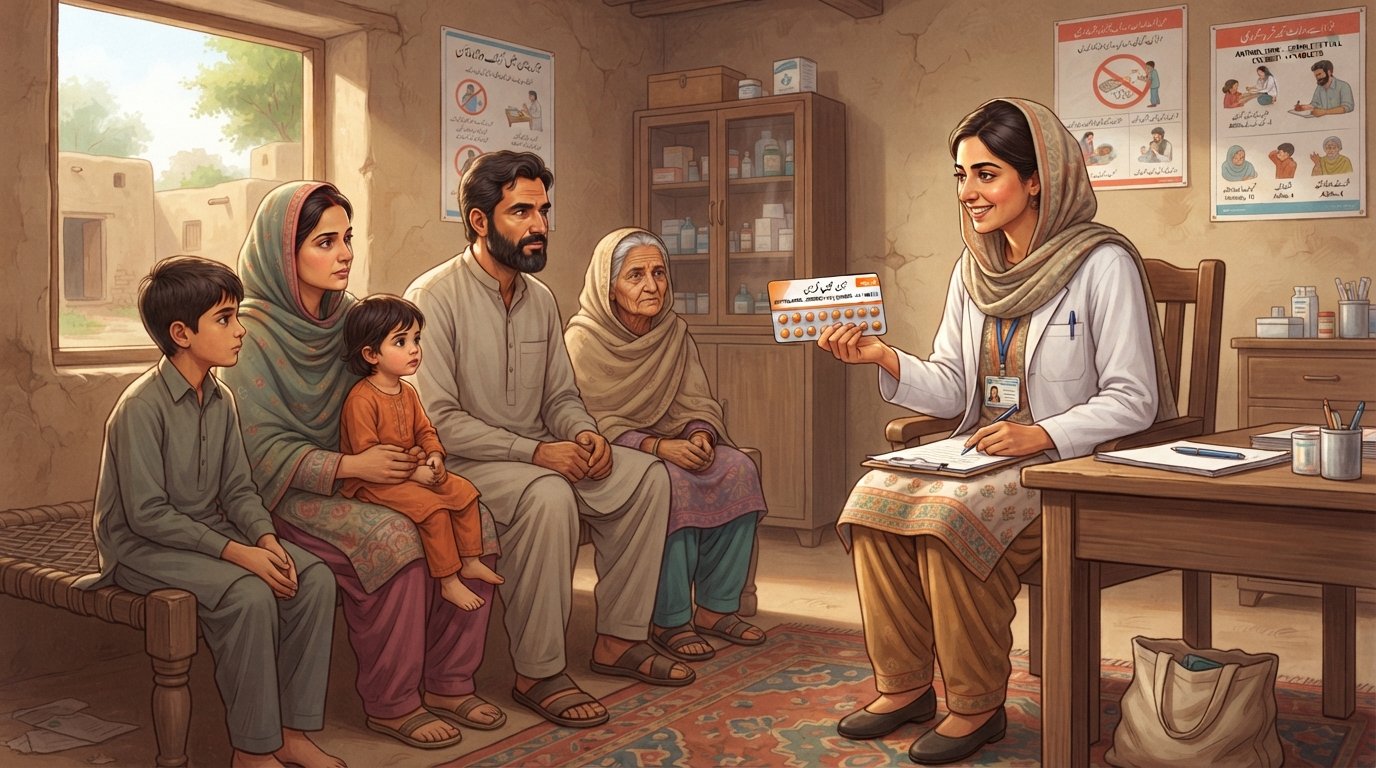
Recent surveillance data from Sindh highlights a concerning surge: out of 10,033 patients screened in a single day, 916 tested positive. The highest caseloads emerged from the Hyderabad division (410 cases) and Larkana (208 cases). While four human malaria parasites exist, health experts note that the current surge is largely driven by “Plasmodium vivax” malaria relapse, which occurs when patients discontinue their prescribed antimalarial treatment prematurely once initial fever symptoms subside.
As highlighted in [Dawn's Editorial Analysis]
(https://www.dawn.com/news/2025371), the persistent resurgence of vector-borne
illnesses is intimately tied to systemic inequities: poverty, recurring climate
shocks, and fragile primary healthcare make medical treatment an unaffordable
privilege rather than a guaranteed basic right.
Primary Drivers Of Transmission And Under-Reporting
[ Climate Shocks & Monsoon Changes] ──► [
Dilapidated Urban & Rural Drainage] ──► [ Proliferating Mosquito Breeding]
1.
Urban Infrastructure Deficits:
In Karachi, the Pakistan Medical Association (PMA) links rising vector-borne
infections to crumbling sewerage systems, open stagnant drains, and shifting
post-monsoon weather patterns.
2.
Under-Reported Caseloads: While
official health centres in Karachi report around 25 weekly cases (including
co-infections with dengue), physicians warn that the true community caseload is
substantially higher due to informal clinic visits and unrecorded
self-medication.
3.
Climate Shocks & Changing
Weather: Fluctuating temperatures and prolonged standing water create ideal
breeding habitats for mosquitoes, complicating vector-control interventions
across rural and peri-urban districts.
Structural Vulnerabilities In Healthcare Delivery
|Vulnerability Dimension | On-Ground
Reality | Strategic Intervention Required |
1.
Diagnostic Supplies & Stock
| Frequent stockouts of Rapid Diagnostic Tests (RDTs) in Rural Health Centres
(RHCs) and Basic Health Units (BHUs). | Guaranteed supplies of diagnostic kits,
quality-assured Artemisinin-based Combination Therapies (ACTs), and primaquine
for relapse prevention. |
2.
Healthcare Staffing | Shortages
of trained female health workers and diagnostic technicians in remote regions.
| Deployment and continuous training of frontline health personnel in disease
detection and patient treatment compliance. |
3.
Epidemiological Surveillance |
Passive, fragmented reporting vulnerable to data lapses. | Digitized, real-time
disease surveillance tracking localized outbreaks and vector resistance
patterns. |
4.
Drying External Aid | Heavy
reliance on unpredictable international donor funding and global health grants.
| Institutionalized, domestic budgetary allocations dedicated to vector-borne
disease control. |
Policy Roadmap: Containing Vector-Borne Outbreaks
Addressing endemic malaria across
high-burden belts particularly in rural Sindh, Khyber Pakhtunkhwa, and
Balochistan requires moving from reactive emergency responses to durable public
health delivery:
·
Complete Treatment Adherence:
Community health workers must educate patients on completing full antimalarial
courses to prevent vivax relapses and curb community transmission chains.
·
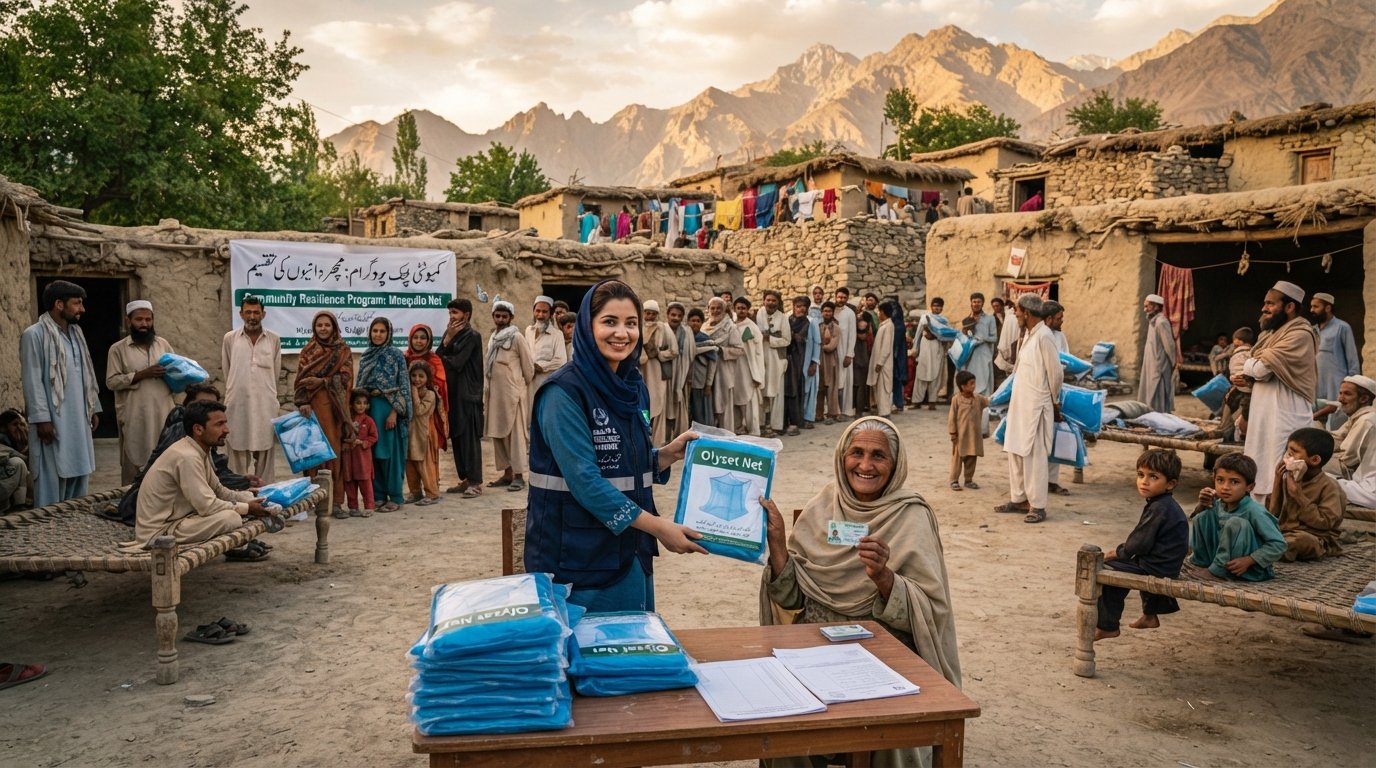
Targeted Vector Control:
Municipal and district authorities must execute scheduled indoor residual
spraying (IRS), larval source management, and free distribution of Long-Lasting
Insecticidal Nets (LLINs) ahead of peak monsoon periods.
·
Upgrading Sanitation
Infrastructure: Urban and rural local governments must repair dilapidated
drainage networks to eliminate perennial mosquito breeding grounds.
Conclusion
Defeating malaria is fundamentally a test
of governance, civic infrastructure, and political commitment. With
international health aid drying up, Pakistan must prioritize domestic
investment in primary healthcare, equip rural health centres with diagnostics
and life-saving medicines, and ensure uninterrupted disease surveillance. Only
sustained local preparedness and equitable healthcare access can protect
vulnerable populations from recurring, deadly outbreaks.