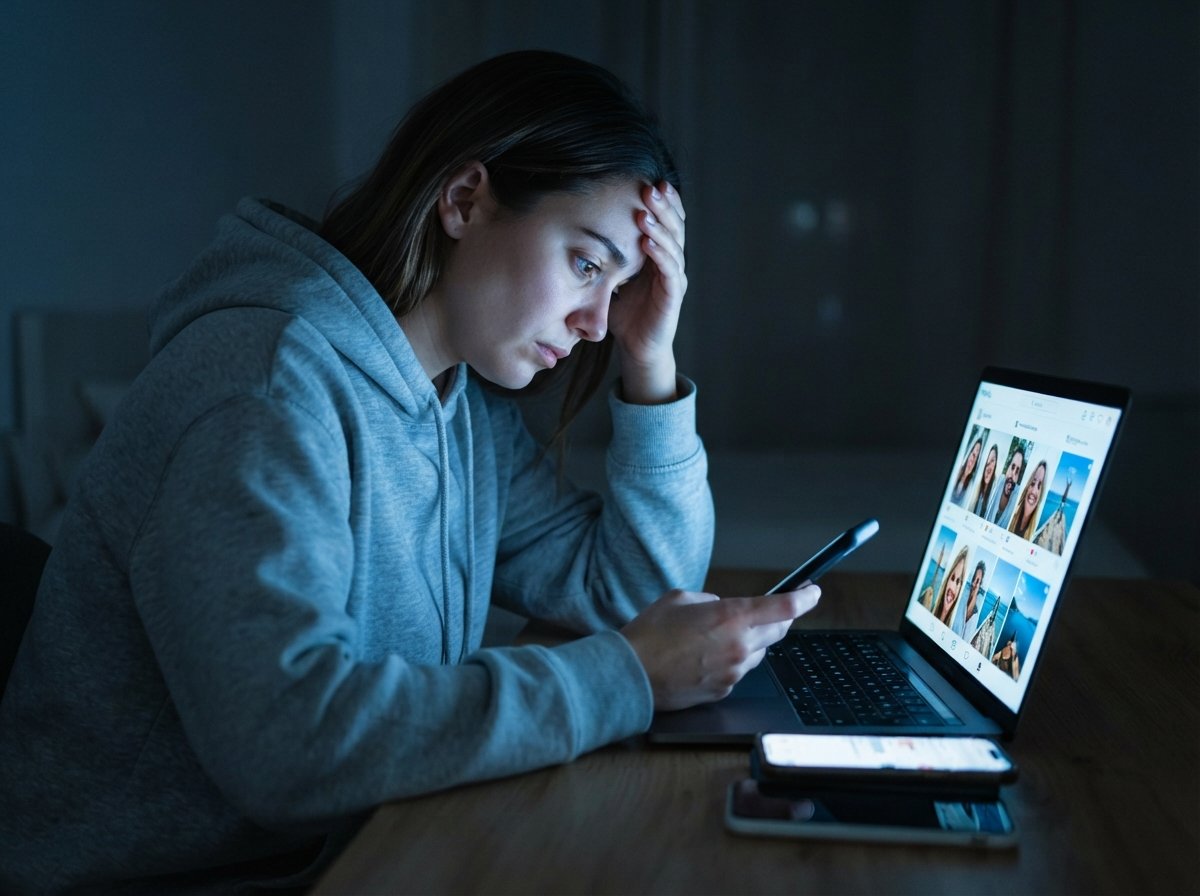
In today’s digital era, social media has become an undeniable fixture of daily life. Platforms like Facebook, Instagram, Twitter, and TikTok have not only simplified human communication but have fundamentally reshaped our social behaviors, mindsets, and lifestyles.
While social media offers immense
opportunities for information exchange, entertainment, and networking, it has
also cultivated a pervasive "culture of ostentation and
self-display." Today, individuals often project an exaggerated, flawless
version of their personal lives online. However, beneath this polished facade
lies a darker reality affecting our collective mental well-being.
The Anatomy of the Display Culture
The pressure to present an idealized life
online stems from a deep-seated desire for external validation. People
frequently share:
Staged Luxury: Beautifully framed
photographs, vacation check-ins, and high-end dining experiences.
Curated
Success: Highlights of personal achievements, material possessions, and
seemingly effortless happiness.
Through advanced filters, editing tools,
and strategic captions, everyday moments are elevated into grand performances.
The primary drive behind this behaviour is often the pursuit of likes,
comments, and shares metrics that have tragically become modern proxy markers
for self-worth and success.
Psychological and Social Consequences
This relentless race for digital approval
exacts a heavy toll on individuals and society at large:
Erosion of Self-Esteem. Constant exposure
to the highlight reels of others fosters anxiety, restlessness, and a
diminished sense of self-confidence.
Unrealistic
Comparisons: Comparing one's messy reality to another's curated virtual life
creates feelings of inadequacy, jealousy, and social isolation.
Materialistic
Pressures: In developing societies already grappling with economic and social
stress, this culture exacerbates financial anxieties, pushing people toward
unnecessary spending just to keep up appearances.
Practical Steps to Counter the Social Media Race
To protect our mental health and rebuild
authentic connection, we must adopt conscious strategies to change how we
interact with social platforms:
1. Practice Self-Awareness and Intentionality
Before posting or scrolling, pause and
reflect: Why am I sharing this? Am I seeking genuine connection, or merely
validation? Recognizing your underlying motivations is the first step toward
healthier digital habits.
2. Promote Realism and Authenticity
Normalize sharing genuine, unedited aspects
of life including struggles and everyday realities. Highlighting real
experiences helps demystify the idealizations that fuel public anxiety.
3. Establish Digital Boundaries
Set strict limits on daily screen time.
Schedule regular "digital detox" periods to disconnect from virtual
noise and reconnect with your immediate physical environment.
4. Drive Educational and Awareness Campaigns
Schools, universities, and non-governmental
organizations (NGOs) should actively educate youth about the psychological
pitfalls of social media, encouraging critical thinking over blind consumption.
5. Offer Mental Health Support
Normalize seeking professional counselling
for digital-induced stress or feelings of inadequacy. Communities must
prioritize accessible mental healthcare.
6. Demand Platform Accountability
Social media companies must take
responsibility for user well-being by tweaking algorithms to discourage toxic
comparison and introducing features like hiding like/comment counts to reduce
peer pressure.
Conclusion
Social media is a powerful tool it can
either serve as a bridge for genuine human connection or a trap of endless
comparison. By choosing authenticity over display, setting firm digital
boundaries, and prioritizing real-world relationships, we can create a
healthier digital culture that enriches our lives rather than consumes them.