A Complete Guide for Beginner Bakers
Baking is often considered both a delicate
art and an exact science. For beginners entering the kitchen, turning basic raw
ingredients into perfectly baked cakes, biscuits, or pastries can sometimes
feel intimidating. However, achieving bakery-quality results at home does not
require years of professional experience it simply requires following
fundamental techniques.
By mastering a few core principles, you can
eliminate common baking failures and consistently produce delicious treats.
1. Read and Follow the Recipe Carefully
Before touching any mixing bowls or
measuring tools, read through the entire recipe from start to finish.
Ø Understand the Order: Baking depends on specific chemical reactions.
Adding ingredients out of order or skipping steps can ruin the texture of your
batter.
Ø Avoid Untested Substitutions: Swapping key ingredients such as using
liquid sweeteners instead of granulated sugar or substituting flour types can
drastically alter your final result.
2. Always Preheat Your Oven
Placing batter into a cold oven is one of
the most common reasons cakes fail to rise properly.
Ø Reach the Target Temperature: Always turn on your oven well in
advance so it reaches the exact temperature specified in the recipe before your
pan goes inside.
Ø Keep the Door Closed: Avoid opening the oven door repeatedly out of
curiosity. Opening the door lets heat escape, causing drastic temperature drops
that can cause a rising cake or pastry to sink in the middle.
3. Measure Ingredients with Precision
Unlike cooking, where you can easily adjust
seasonings to taste, baking requires strict accuracy.
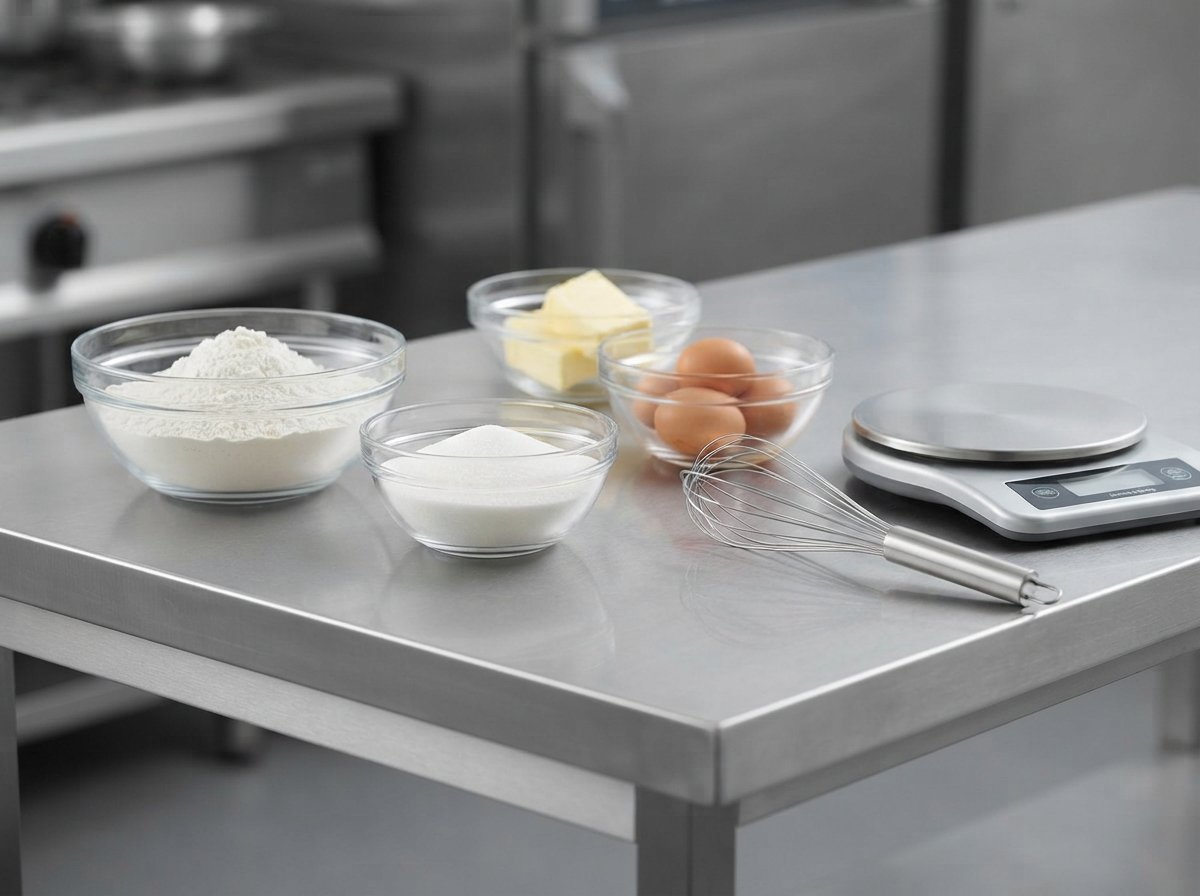
Ø Standard Measuring Tools: Use proper measuring cups and spoons for
liquids and dry ingredients, or ideally, a digital kitchen scale for exact
measurements.
Ø Proper Flour Technique: Avoid scooping flour directly out of the bag
with a measuring cup, as this packs the flour down and adds too much weight.
Instead, spoon the flour into the cup and level it off flatly with the back of
a knife.
4. Use High-Quality Ingredients
The flavour, aroma, and overall quality of
your baked goods depend directly on the standard of ingredients you use.
Ø Freshness Matters: Ensure key leavening agents like baking powder
and baking soda are fresh and active.
Ø Premium Staples: Using good-quality flour, pure butter, fresh eggs,
and high-grade cocoa or vanilla makes a noticeable difference in both taste and
texture.
5. Allow Baked Goods to Cool Completely
Patience at the final stage is critical to
maintaining proper structure and texture.
Ø Resting Time: Let cakes, breads, or cookies sit in the pan for a few
minutes after removing them from the oven before transferring them to a wire
cooling rack.
Ø Avoid Hot Frosting: Never attempt to slice, decorate, or frost a
cake while it is still warm. Cutting warm pastries causes them to crumble, and
warm cake surfaces will instantly melt frosting and ruin your presentation.
Final Takeaway
Mastering baking is about consistency and
respecting the process. By prepping your workspace, measuring accurately,
managing your oven temperature, and letting your baked goods cool properly, you
can confidently turn out light, fluffy cakes, crispy cookies, and perfect
pastries every time.