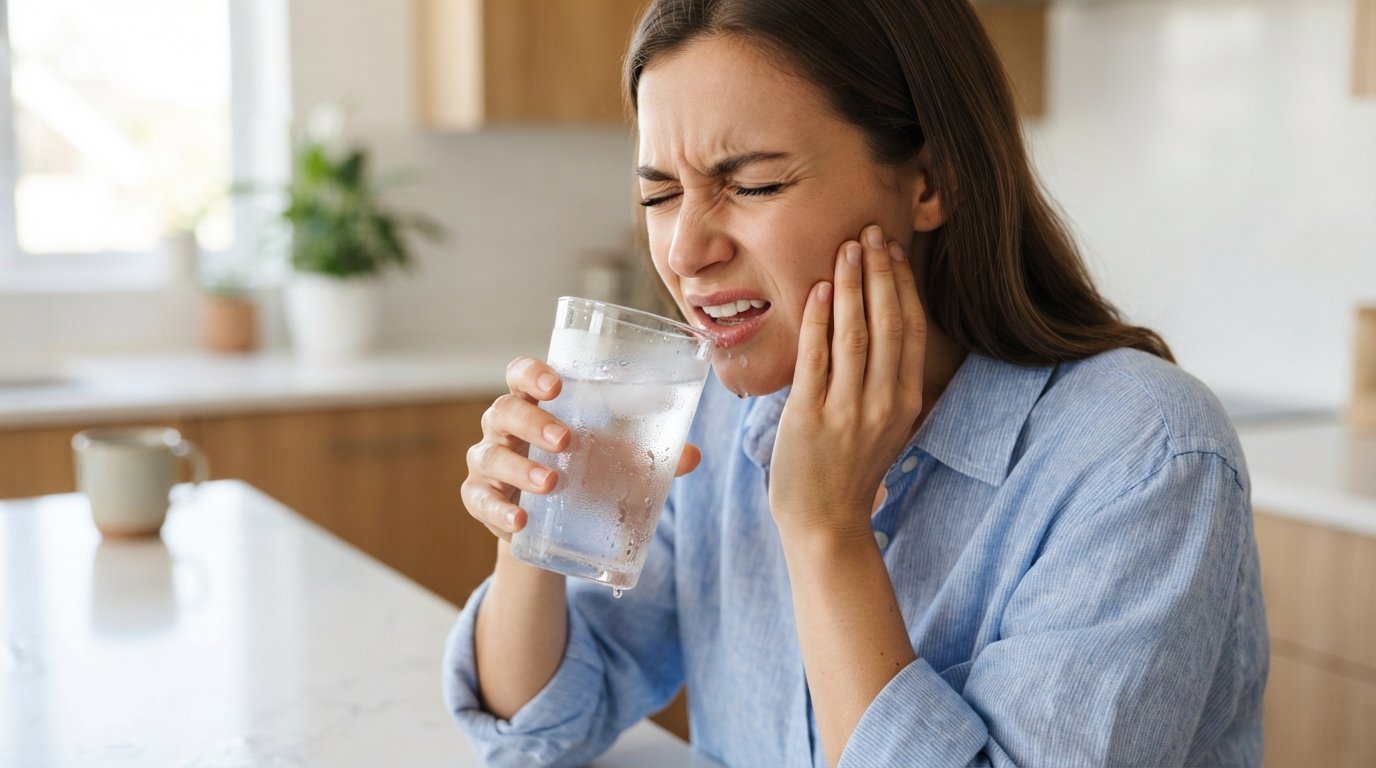
A Refreshing Habit with Hidden Health Risks
During hot summer days, reaching for a
glass of ice-cold water is often the first instinct to beat the heat. While
chilled water provides immediate, temporary relief from thirst, frequent
consumption can lead to unintended health issues over time.
Ayurvedic and modern wellness research
highlight that the human body functions best when internal core temperatures
remain balanced. Drinking very cold water forces the body to expend extra
energy to normalize its temperature, putting undue strain on vital systems.
1. Slows Down Digestion and Nutrient
Absorption
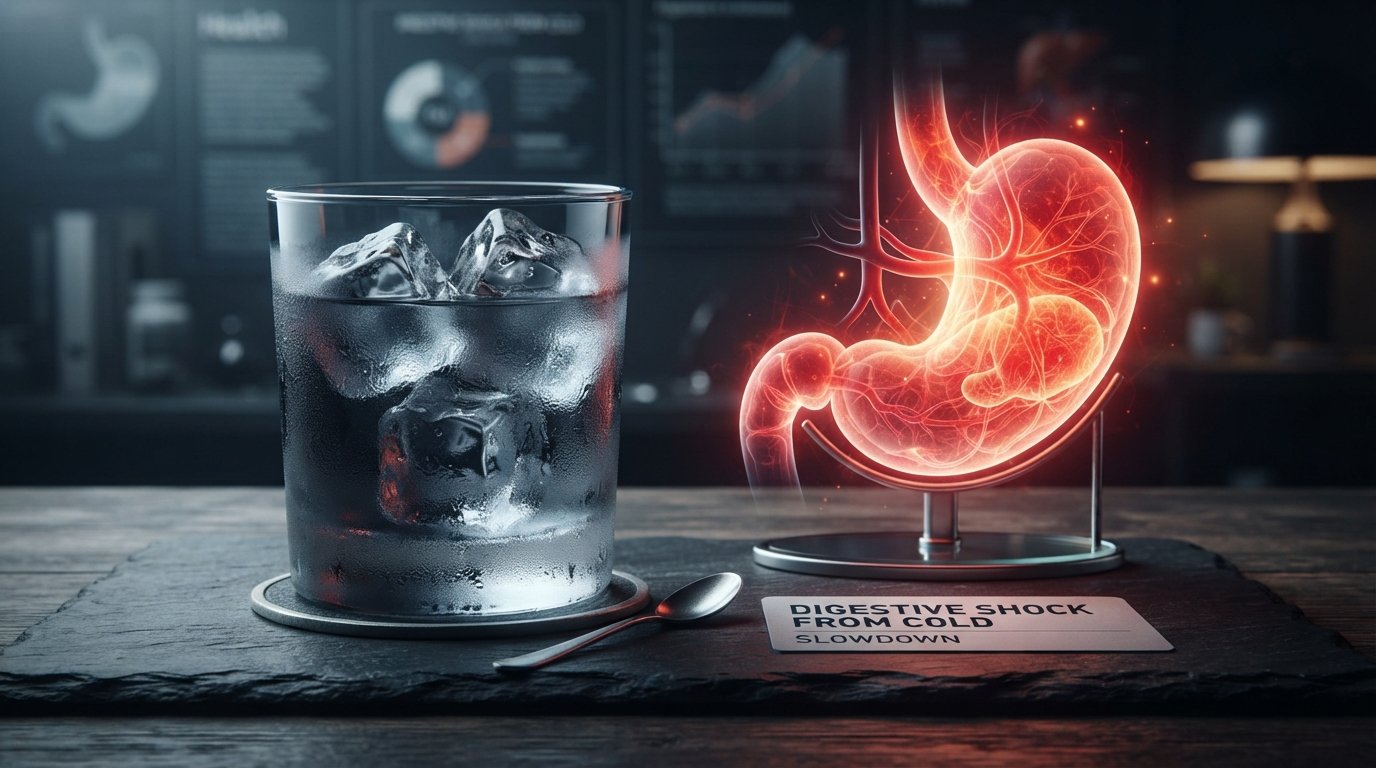
Drinking cold water especially during or
immediately after meals causes the blood vessels in the stomach to constrict.
·
Solidifying Fats: Cold
temperatures solidify dietary fats from food, making them harder to break down
and digest.
·
Stomach Discomfort: Instead of
focusing on digesting nutrients, the body expends energy warming up internal
temperatures, leading to indigestion, heaviness, and bloating.
2. Triggers Constipation
Cold water solidifies food waste as it
passes through the intestines, making bowel movements sluggish. Over time,
regular consumption of chilled water tightens the intestinal tract, leading to
chronic constipation and irregular bowel habits. In contrast, room-temperature
or warm water aids smooth gastrointestinal transit.
3. Decreases Heart Rate
Drinking ice-cold water stimulates the vagus
nerve, a major cranial nerve that controls involuntary body functions,
including heart rate regulation. Sudden exposure to icy temperatures shocks the
nerve, causing the heart rate to drop momentarily and placing avoidable stress
on the cardiovascular system.
4. Causes Sore Throats and Respiratory
Congestion
A sudden rush of cold fluids cools the
respiratory mucosa the protective layer lining the throat and respiratory
tract.
·
Mucus Buildup: This sudden
cooling triggers excess mucus production.
·
Vulnerability to Infection: As
mucosal defenses weaken, the throat becomes prone to inflammation, hoarseness,
coughs, and seasonal viral infections.
5. Hinders Weight Loss and Slows Metabolism
Contrary to the popular misconception that
cold water burns significant calories, regular intake of ice water can actually
hinder fat loss:
·
Hardened Fats: Cold fluids make
stored body fat denser and harder for metabolic processes to break down.
·
Metabolic Sluggishness:
Constricted blood vessels reduce efficient blood circulation, slowing overall
metabolic performance.
6. Worsens Joint Pain and Arthritis
For individuals with sensitive joints or
arthritis, cold water can aggravate inflammation. Cold temperatures increase
muscle stiffness and can heighten joint pain and discomfort in the knees, neck,
and lower back.
7. Triggers Headaches and Brain Freeze
Gulping down ice-cold water quickly cools
the sensitive nerves in the roof of the mouth and spine. This rapid temperature
drop instantly sends shock signals to the brain, causing sudden tension
headaches, sharp migraine flare-ups, or standard "brain freeze."
8. Negatively Impacts Hair and Scalp
Vitality
Proper hydration at room temperature
ensures steady circulation to the hair roots. Drinking extremely cold water
constricts capillaries throughout the body, reducing nutrient and oxygen
delivery to hair follicles, which can contribute to premature hair thinning and
dryness over time.
Healthier Hydration Practices
·
Choose Room-Temperature Water:
Drink water between 20°C to 25°C to support easy hydration without shocking
your digestive tract.
·
Use Earthen Clay Pots (Matka):
Clay pots offer a natural cooling alternative that cools water gently while
balancing pH levels naturally.
·
Avoid Chilled Drinks After
Meals: Wait at least 30 to 45 minutes after eating before drinking water, or
opt for warm green tea to assist digestion.