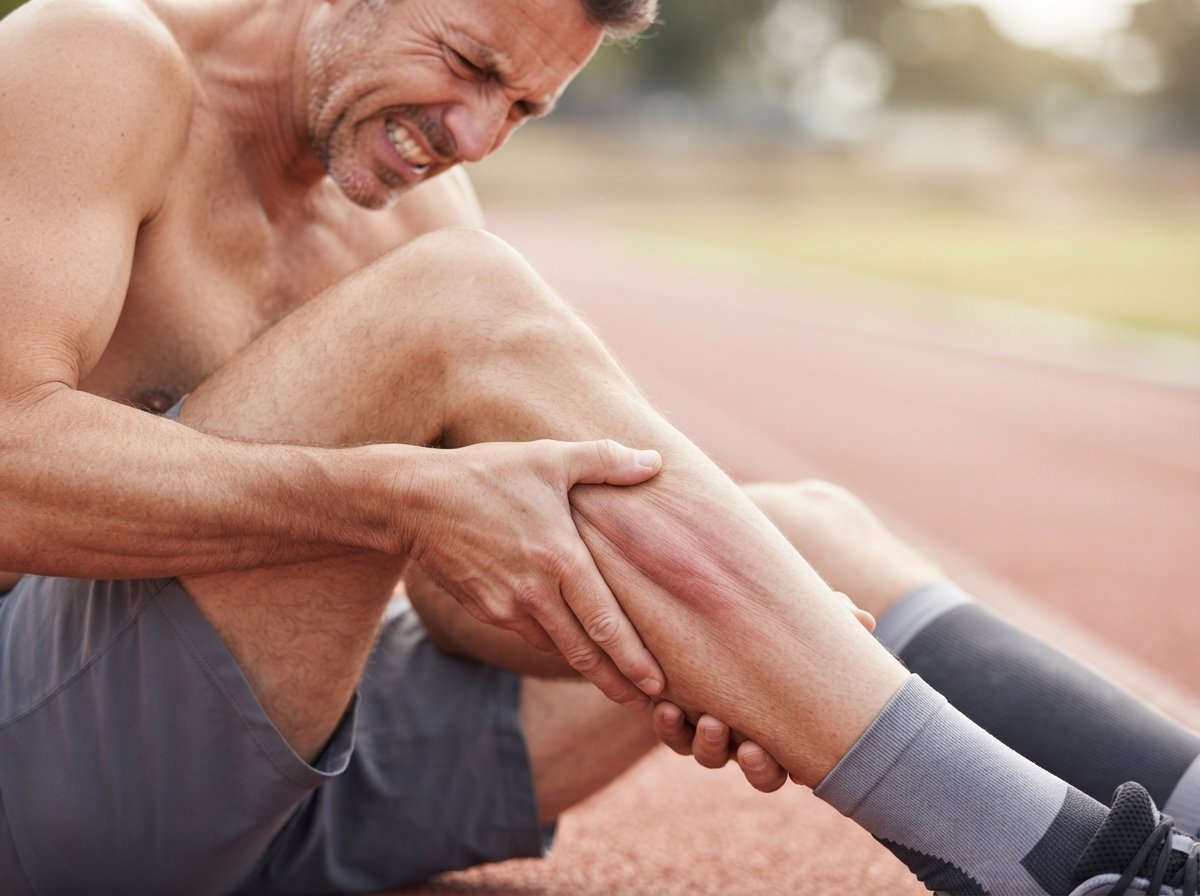
Understanding Lower Leg Discomfort
Calf pain is a common health issue that affects millions of people worldwide. Whether caused by modern sedentary lifestyles such as prolonged sitting or standing or sudden physical exertion like running and heavy workouts, discomfort in the lower leg can significantly disrupt daily activities.
Environmental factors like seasonal changes and hot weather also contribute to dehydration, which frequently triggers leg cramps. While mild calf soreness often resolves with basic self-care, persistent or severe pain can indicate an underlying medical condition requiring timely attention.
PRIMARY CAUSES OF CALF PAIN
1. Muscle Cramps and Spasms (Charley Horse)
A muscle cramp is a sudden, involuntary
contraction of the calf muscles that causes sharp, severe pain and stiffness
lasting from a few seconds to several minutes.
Ø Triggers: Inadequate warm-up before exercise, overexertion,
dehydration, or deficiencies in essential minerals like potassium, magnesium,
and calcium.
Ø Symptoms: Intense tightness, painful knots in the muscle, and
lingering soreness.
2. Shin Splints
Pain felt along the front or sides of the
shin bone (tibia) often spreads toward the calf. This condition usually results
from repetitive stress caused by long walks, running on hard surfaces, or
improper footwear.
3. Achilles Tendonitis and Tendon Rupture
The Achilles tendon connects the calf
muscle to the heel bone.
Ø Tendonitis: Inflammation of the tendon caused by overuse or poor
stretching, leading to morning stiffness and aching that worsens after physical
activity.
Ø Rupture: A severe tear in the tendon often accompanied by a popping
sound, intense pain, and difficulty walking or rising onto toes.
4. Baker’s Cyst
A Baker’s cyst occurs when excess fluid
builds up behind the knee joint due to arthritis or a meniscus tear. The cyst
causes pressure, tightness, and swelling that radiates down into the calf
muscle.
5. Sciatica and Nerve Compression
Problems originating in the lower
spine such as a herniated disk or spinal stenosis can compress the sciatic
nerve. This causes burning or shooting nerve pain that radiates down the back
of the leg into the calf.
6. Circulatory Issues & Blood Vessel
Conditions
Poor circulation is a serious cause of leg pain that requires proper medical evaluation:
Ø Peripheral Artery Disease (PAD): Narrowed arteries reduce blood flow to the legs, causing cramping or aching pain during walking that subsides with rest.
Ø Deep Vein Thrombosis (DVT): A dangerous blood clot forming in the deep veins of the leg. It causes sudden swelling, redness, warmth, and severe pain. DVT is a medical emergency requiring immediate attention.
Ø Varicose Veins: Weakened valves cause blood to pool in leg veins, leading to swollen, heavy, and aching calves.
7. Bone Infections (Osteomyelitis)
Though less common, bacterial infections in the bone can cause localized pain, fever, swelling, and deep tenderness in the calf area.
HOME REMEDIES AND TREATMENT OPTIONS
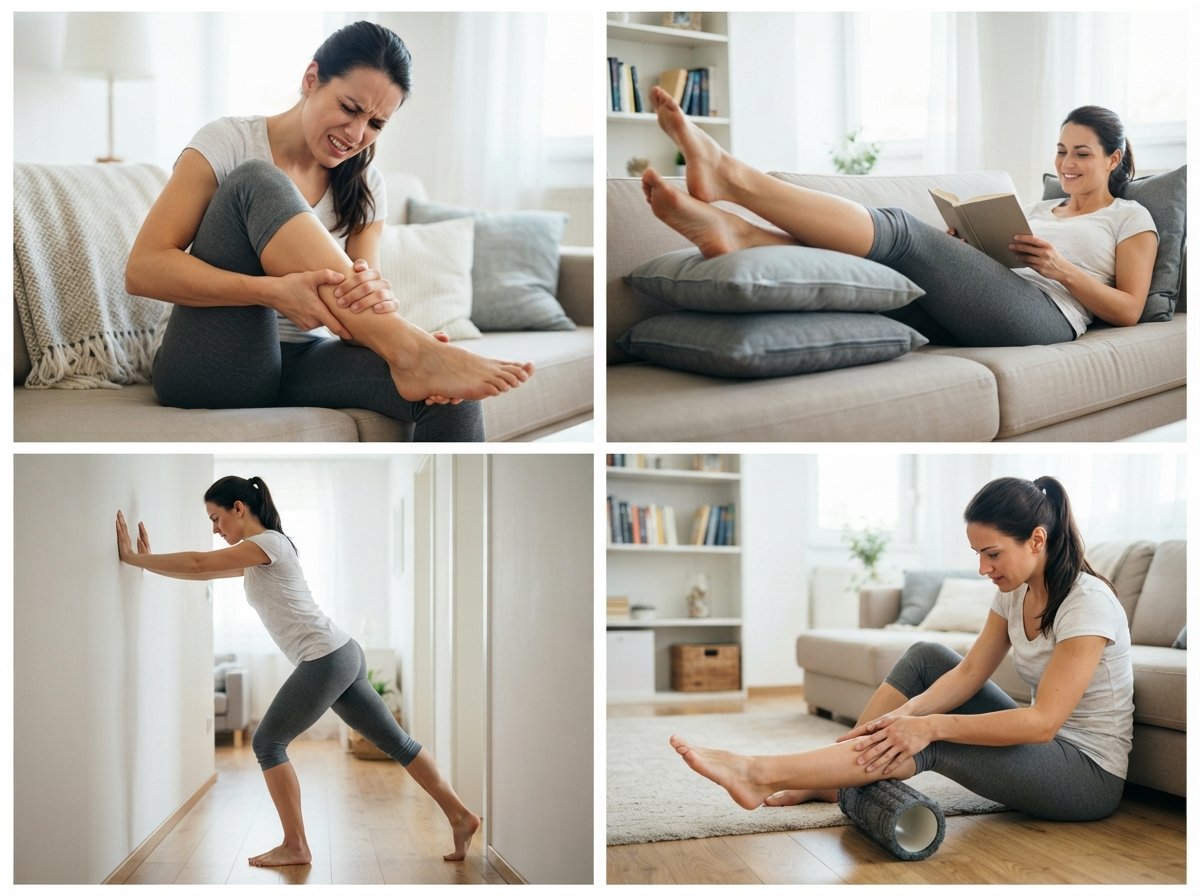
Immediate Self-Care Practices
For mild muscle strains or fatigue, conservative home care is often effective:
Ø Rest: Avoid heavy exercise or standing for long periods to give the
muscles time to recover.
Ø Ice Therapy: Apply an ice pack wrapped in a cloth for 15–20 minutes
several times a day to ease swelling and inflammation.
Ø Gentle Stretching & Massage: Gently stretch the calf muscle and
massage the area to reduce tightness and relieve cramps.
Ø Hydration & Balanced Nutrition: Drink adequate water and
maintain a diet rich in potassium and magnesium (found in foods like bananas,
spinach, and dairy products) to prevent recurring spasms.
Medical Interventions
Ø Over the Counter Relief: Pain relievers or anti-inflammatory
medications (such as Ibuprofen) can help reduce discomfort under doctor
guidance.
Ø Professional Diagnosis: If pain is accompanied by severe swelling, skin discoloration, warmth, or difficulty walking, consult a healthcare provider immediately for physical therapy, medication, or specialized treatment.
PREVENTION TIPS FOR LONG-TERM HEALTH
Ø Warm-Up and Cool Down: Always stretch your calf muscles before and
after physical activity.
Ø Wear Proper Footwear: Choose supportive athletic shoes with proper
cushioning.
Ø Maintain Healthy Weight: Managing body weight reduces continuous
strain on lower leg muscles and blood vessels.
Ø Stay Active: Perform regular, low-impact leg exercises to maintain
strong circulation and muscle flexibility.