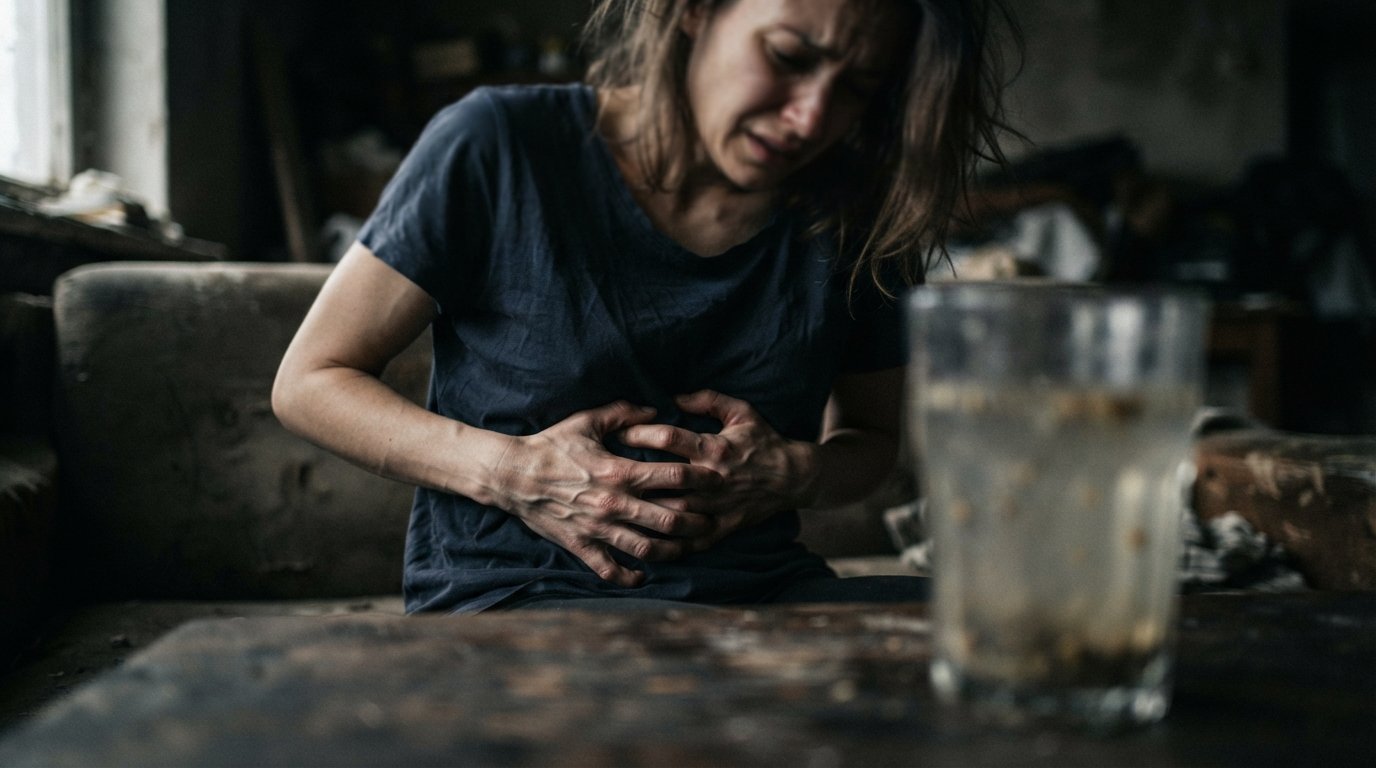
A Growing Public Health Emergency
Access to clean and safe drinking water is
a fundamental pillar of human health. However, contaminated water remains one
of the most critical public health hazards across both urban centers and rural
communities. Consuming polluted or untreated water is directly responsible for
a surge in gastrointestinal illnesses, chronic intestinal infections, and
life-threatening waterborne epidemics.
Medical research indicates that waterborne
pathogens affect hundreds of thousands of people annually, with children,
infants, and the elderly facing the highest risk of severe complications and
mortality.
Common Diseases Spread By Contaminated Water
When toxic chemicals, sewage waste, or
microbial pathogens enter drinking water supplies, they trigger severe
gastrointestinal conditions:
·
Bacterial Dysentery &
Diarrhea: Ingestion of pathogenic bacteria (such as E. coli, Salmonella, and
Shigella) causes severe bowel inflammation, chronic loose stools, cramping, and
rapid dehydration.
·
Typhoid Fever: Caused by
Salmonella typhi, typhoid spreads rapidly through sewage-contaminated water
lines and unhygienic storage containers.
·
Cholera: A virulent bacterial
infection caused by Vibrio cholerae that produces severe watery diarrhea,
leading to fatal dehydration within hours if left untreated.
·
Hepatitis A and E: Viral liver
infections transmitted via faecal-oral contamination in untreated drinking
water supplies.
·
Intestinal Parasites &
Ulcers: Amoebic cysts, Giardia, and microbial worms thrive in stagnant water,
creating long-term digestive ulcers and nutrient malabsorption.
Key Sources Of Water Contamination
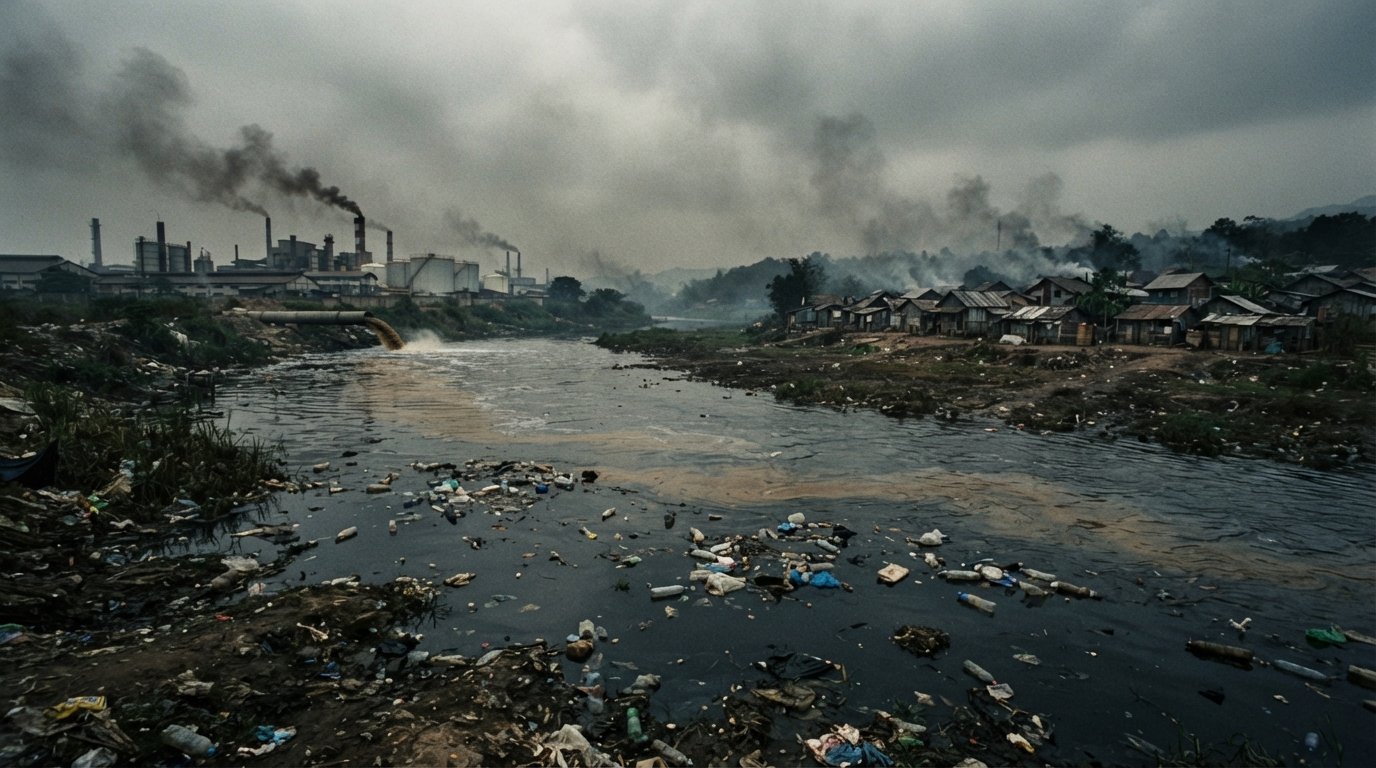
1. Cross-Contamination in Aging Pipelines
In many metropolitan cities, underground
municipal water distribution lines run parallel to deteriorating sewerage
pipes. Leakages and negative pressure cause raw sewage, toxic silt, and
municipal waste to seep directly into home tap water.
2. Heavy Metal and Chemical Infiltration
·
Industrial & Agricultural
Runoff: Untreated toxic discharge from factories and pesticide-laden
agricultural runoff leach hazardous heavy metals (including lead, arsenic, and
excess chlorine) into groundwater tables.
·
Total Dissolved Solids (TDS):
High mineral density and chemical hardness in bore water overtax the kidneys
and irritate the lining of the digestive tract.
3. Infiltration of Flood and Monsoon Runoff
Heavy monsoon rains and urban flooding
frequently submerge shallow wells, open hand pumps, and municipal reservoirs,
washing agricultural waste and animal carcasses into community drinking
sources.
Understanding Water Quality (Tds Levels)
|Water Category | TDS Range (PPM) | Health
Status / Suitability |
| Ideal Drinking Water | 50 – 300 |
Excellent purity, balanced mineral profile |
| Acceptable Water | 300 – 500 | Fair
quality for daily consumption |
| Poor / Hard Water | 500 – 900 | High
mineral concentration; requires filtration |
| Unacceptable / Hazardous | 900 – 1500+ |
Severe risk; unfit for human consumption without RO purification |
Practical Solutions And Precautionary Measures
To safeguard households against waterborne
pathogens and digestive complications, essential safety practices should be
strictly observed:
1. Rigorous Boiling and Thermal
Disinfection
Boiling water vigorously at a rolling boil
for at least 5 to 10 minutes remains the most effective, accessible method to
neutralize bacteria, parasites, and active viruses.
2. Proper Multi-Stage Filtration and
Reverse Osmosis (RO)
·
Mechanical Sediment Filters:
Install micron filters to trap suspended silt, rust, and physical debris.
·
Reverse Osmosis (RO) Plants:
Essential in areas with brackish groundwater or high TDS levels (500 ppm)
to remove dissolved chemical contaminants, heavy metals, and salts.
3. Cleaning Water Storage Tanks Regularly
·
Underground and overhead
domestic water tanks must be emptied, scrubbed, and disinfected with food-grade
chlorine or bleaching solutions at least once every six months.
·
Ensure storage tanks are
tightly sealed to prevent insects, airborne dust, and surface runoff from
entering.
4. Safe Food and Personal Hygiene
·
Wash raw vegetables, fruits,
and kitchen utensils with boiled or filtered water.
·
Avoid using unfiltered tap
water for brushing teeth or washing food during seasonal illness outbreaks.
Conclusion
Clean drinking water is an indispensable
requirement for long-term health and well-being. By adopting reliable
purification methods, ensuring regular tank maintenance, and testing household
water quality, families can effectively shield themselves from preventable
intestinal illnesses and maintain optimal digestive health.