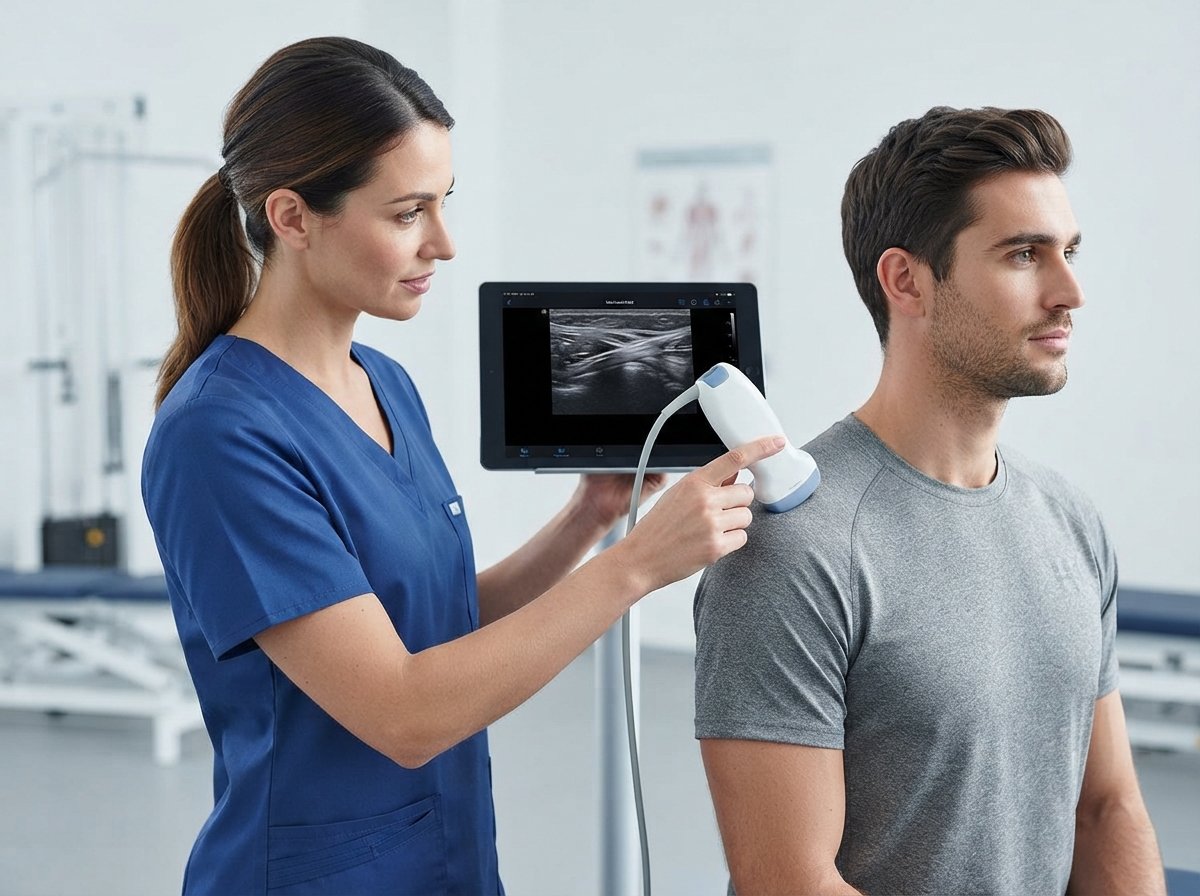
A Transforming Discipline in Modern Healthcare
When we discuss health and medical care,
our minds naturally turn to doctors, nurses, and pharmaceuticals. However,
physiotherapy is an equally critical pillar of healthcare that works quietly to
restore mobility, manage chronic pain, and improve independence without relying
heavily on invasive procedures or long-term medication.
Worldwide including in developed countries
like the US, UK, Canada, Australia, and across Europe physiotherapy is
undergoing a massive transformation. The integration of cutting-edge
technology, artificial intelligence, and advanced biomedical devices is
changing how therapists diagnose, treat, and rehabilitate patients suffering
from physical injuries, neurological conditions, or age-related movement
limitations.
KEY TECHNOLOGICAL ADVANCEMENTS IN PHYSIOTHERAPY
1.
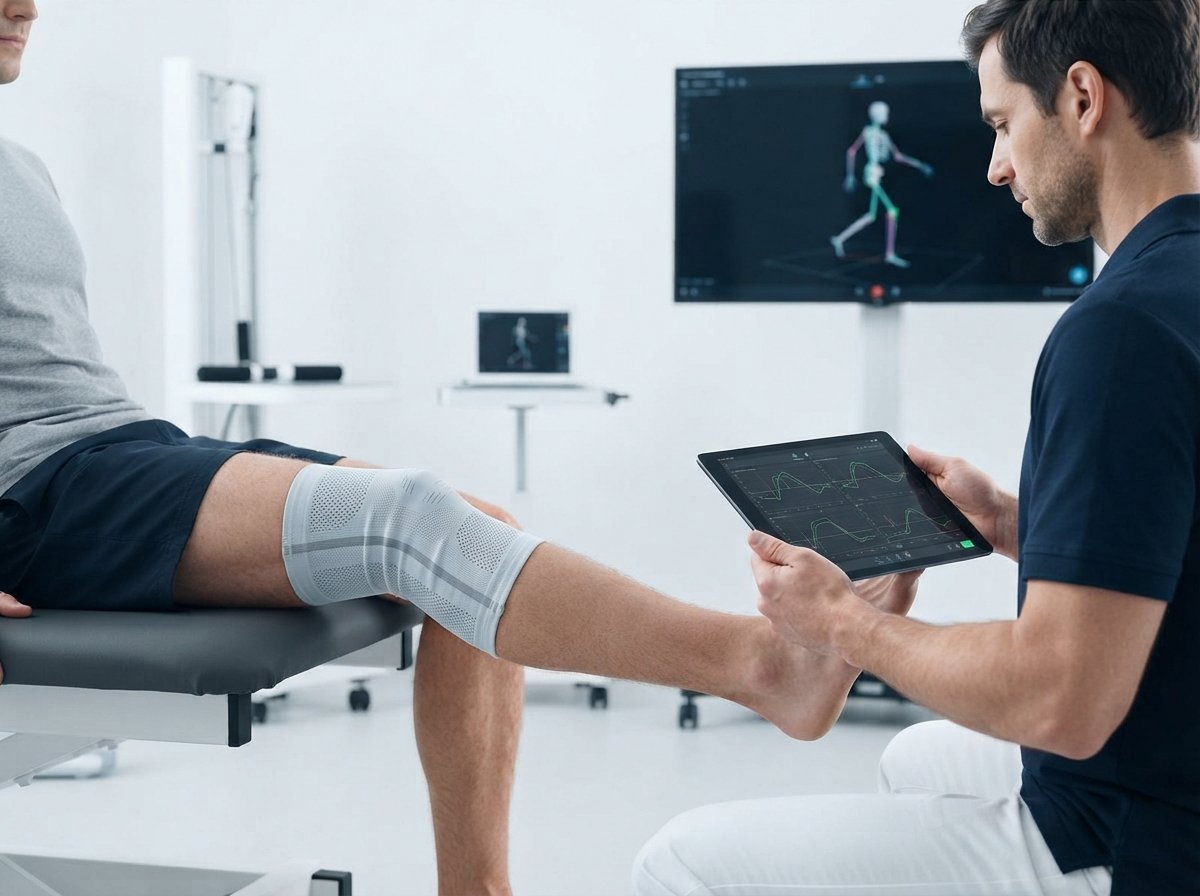
AI-Driven Motion Analysis and
Assessment
Modern artificial intelligence tools use
high-speed sensors and vision systems to analyse a patient’s posture, gait, and
biomechanics in real time. These smart systems can process movement data at
incredible speeds, detecting subtle imbalances or movement compensations that
might be invisible to the naked human eye. This allows therapists to design
highly tailored, data-driven rehabilitation plans tailored to each patient's
specific physical needs.
2.
Laser Therapy & Advanced
Ultrasound
High-intensity laser therapy and targeted
ultrasound devices have emerged as game-changers in treating soft tissue
injuries, joint inflammation, and chronic back or neck pain.
Ø Deep Tissue Healing: Laser light penetrates deep into affected
muscle tissue, speeding up cellular repair, reducing localized swelling, and
alleviating pain rapidly.
Ø Non-Invasive Relief: These modalities stimulate blood flow and
trigger natural healing mechanisms without causing discomfort or requiring
surgical recovery.
3.
Electrical Muscle Stimulation
(EMS) & Electrotherapy Modern electrotherapy devices deliver targeted
electrical pulses directly to weakened or damaged muscle groups.
Ø Preventing Muscle Atrophy: For patients immobilized by spinal
injuries, stroke, or surgery, EMS helps preserve muscle tone and strength.
Ø Pain Management: Modulated electrical frequencies block pain signals
sent to the brain, providing natural relief for patients dealing with severe
musculoskeletal discomfort.
4.
Robotic Rehabilitation &
Exoskeletons
Robotic arms, automated gait-training
systems, and wearable exoskeletons offer consistent, high-repetition exercise
guidance that human therapists alone cannot maintain over long sessions.
Ø Neurological Recovery: For stroke survivors or patients with spinal
cord injuries, robotic assistance guides limbs through precise movement
patterns, stimulating neuroplasticity and retraining the brain to control lost
motor functions.
Ø Weight Support: Robotic harnesses support the patient's body weight,
allowing individuals to practice walking safely without the fear of falling.
5.
Hydrotherapy & Aquatic
Exercise Equipment
Combining traditional water therapy with
modern exercise technology—such as underwater treadmills, resistance jets, and
aquatic bike systems—provides a unique environment for recovery.
Ø Reduced Joint Impact: Water buoyancy eliminates heavy pressure on
weight-bearing joints, allowing patients with severe arthritis or post-surgical
stiffness to exercise comfortably.
Ø Resistive Conditioning: Water resistance strengthens muscles safely
while improving cardiovascular endurance and balance.
EXPANDING THE SCOPE OF PATIENT RECOVERY
Targeting Diverse Health Conditions
Modern, tech-assisted physical therapy
provides targeted relief across a wide spectrum of health challenges:
1.
Orthopaedic & Sports
Medicine: Faster recovery from ligament tears, joint dislocations, bone
fractures, and sports-related tendon injuries.
2.
Neurological Rehabilitation:
Restoring mobility and coordination for patients recovering from stroke,
Parkinson’s disease, or traumatic brain injury.
3.
Cardiopulmonary Health:
Specialized respiratory physiotherapy helps chest and lung surgery patients
improve lung capacity and clear airways efficiently.
4.
Paediatric & Geriatric
Care: Customized equipment aids children born with motor disabilities while
helping elderly individuals preserve joint flexibility, balance, and
independence.
The Human Factor in Tech-Driven Care
While AI, robotics, and advanced
electrotherapy devices provide unprecedented precision, technology remains a
tool to empower human expertise, not replace it. The clinical reasoning,
empathy, and hands-on guidance of a skilled physiotherapist remain central to
every successful recovery journey. By combining compassionate patient care with
modern technological tools, physical therapy is unlocking faster recovery times
and a higher quality of life for millions worldwide.