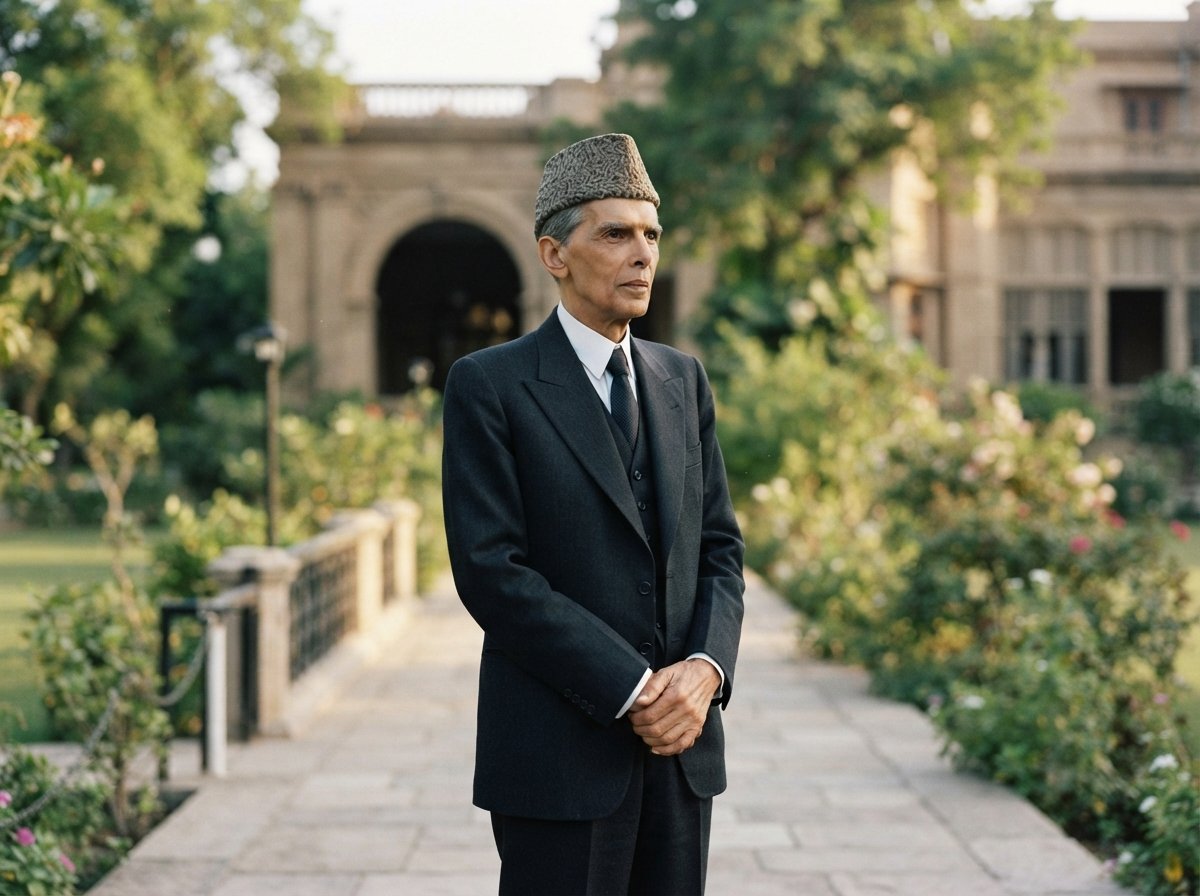
A Vision of Incorruptible Leadership
Quaid-e-Azam Muhammad Ali Jinnah stands as
an unparalleled figure in modern history. Recognized as the founding father of
Pakistan, he freed the Muslims of the subcontinent from double bondage through
sheer legal acumen, unwavering determination, and incorruptible character.
Political rivals, foreign historians, and
global leaders have consistently marvelled at his absolute integrity. Prominent
BJP leader Jaswant Singh famously noted in his biographical assessment that
Jinnah was a leader whose principles could never be bought with money or power.
Throughout his long political career, even his fiercest adversaries could not
find a single instance of financial or moral corruption to level against him.
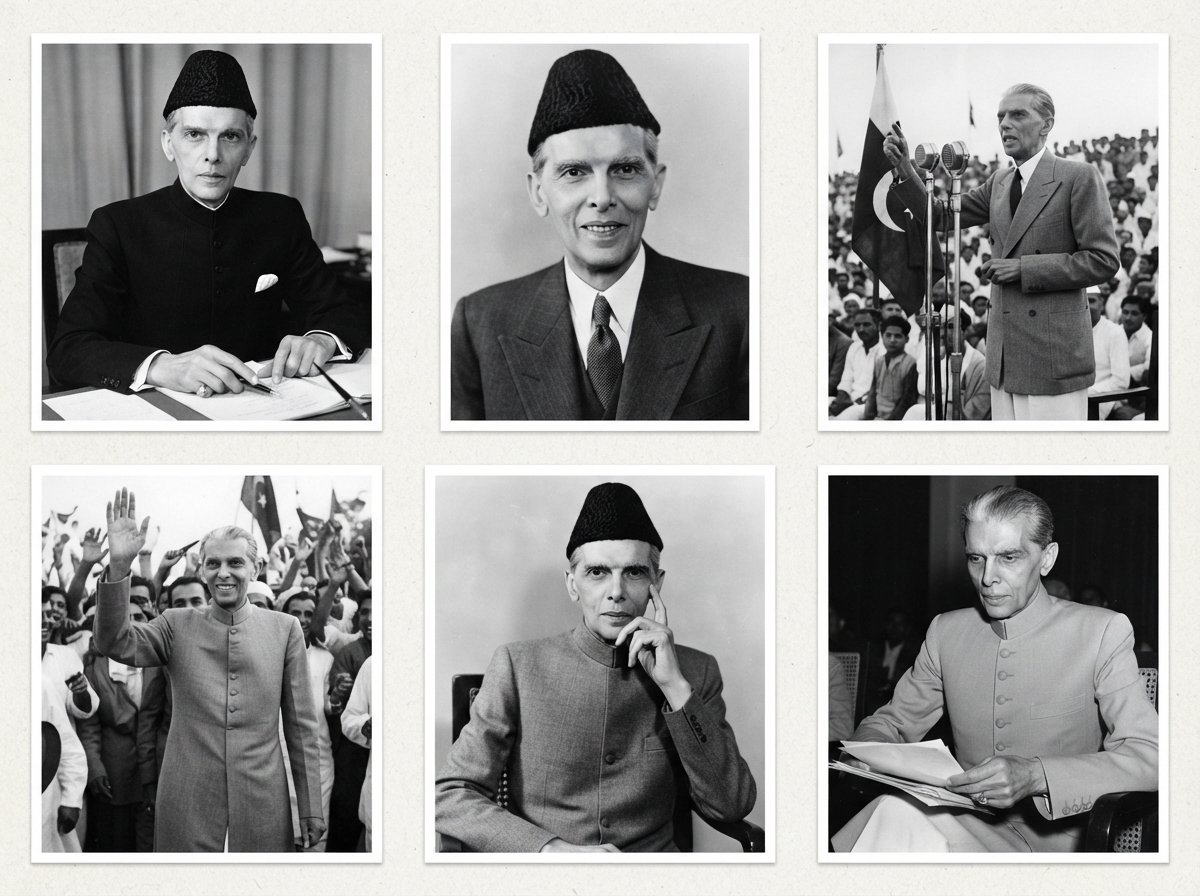
THE EARLY YEARS: SELF-RELIANCE AND LEGAL MASTERY
Building a Career on Integrity
Born on December 25, 1876, in Karachi to a
prominent merchant family, Muhammad Ali Jinnah demonstrated independence and
intellectual sharp-mindedness from early childhood.
Ø Studies in London (1892–1895): At just 15 years old, he travelled to
London for business training at Graham's Shipping and Trading Company. However,
his passion led him to Lincoln's Inn to study law, where he became the youngest
Indian to be called to the Bar at age 19.
Ø Refusing Government Favors (1900): When offered a permanent
magistrate post in Bombay with a generous salary of 1,500 rupees per month—a
vast sum at the time—Jinnah famously declined, stating that his goal was to
earn that amount per day through his private practice. He achieved that
milestone shortly after.
THE ARCHITECT OF MUSLIM SELF-DETERMINATION
From Ambassador of Unity to Nation Founder
Jinnah entered formal politics in 1904 as a
member of the Indian National Congress. Initially a staunch advocate of
Hindu-Muslim unity—earning him the title "Ambassador of Hindu-Muslim
Unity" from Sarojini Naidu—he played a key role in drafting the historic
Lucknow Pact of 1916.
However, as communal biases solidified
within Congress and political safeguards for minority rights were disregarded,
Jinnah reshaped his strategy:
Ø The Fourteen Points (1929): Formulated a comprehensive charter of
rights to safeguard Muslim political identity, regional autonomy, and
representation.
Ø Leading the All-India Muslim League (1934 Onward): After returning
from the Round Table Conferences in London, he reorganized the Muslim League
into a disciplined, mass political movement.
Ø The Lahore Resolution (1940): Under his presidency, the historic
resolution was passed, officially establishing the demand for an independent
sovereign state.
Ø Electoral Triumph (1945–1946): Led the Muslim League to a decisive
victory in central and provincial elections, securing almost all
Muslim-reserved seats and confirming the League as the sole representative
voice of Muslim India.
HISTORICAL TRIBUTES TO A UNIQUE STATESMAN
Global figures and contemporary historians
have repeatedly acknowledged Jinnah’s singular role in shaping world history:
1.
"There is no historical
parallel for a single individual affecting such a political revolution...
Without Jinnah, Pakistan would never have existed."
2.
Sir Penderel Moon, British
Historian and ICS Officer
3.
"Few individuals
significantly alter the course of history. Fewer still modify the map of the
world. Hardly anyone can be credited with creating a nation-state. Muhammad Ali
Jinnah did all three."
4.
Stanley Wolpert, American
Historian and Author
5.
Jawaharlal Nehru (1947):
Acknowledged Jinnah’s unyielding courage, legal genius, and uncompromising
principles.
6.
Lord Mountbatten: Stated that
Jinnah was driven solely by a high sense of duty and a vision to fulfill his
people's dream of an independent nation.
THE GUIDING PRINCIPLES OF PAKISTAN
The Presidential Address of August 11, 1947
Days before independence, Quaid-e-Azam
outlined the foundational tenets for the new state in his historic address to
the Constituent Assembly:
Ø Equal Citizenship & Religious Freedom: Declared that every
citizen, regardless of religion, caste, or creed, is an equal citizen of the
state with complete freedom of worship.
Ø Eradication of Social Evils: Called for a relentless fight against
corruption, bribery, black-marketing, nepotism, and jobbery.
Ø Focus on Welfare: Urged the government to concentrate "wholly
and solely on the well-being of the people, especially the poor and working
classes".
A Legacy Beyond Time
Quaid-e-Azam Muhammad Ali Jinnah passed
away on September 11, 1948, leaving behind an independent nation and an
everlasting legacy. His life remains an enduring testament to how unyielding
character, intellectual brilliance, and selfless leadership can overcome
impossible odds to change the map of the world.