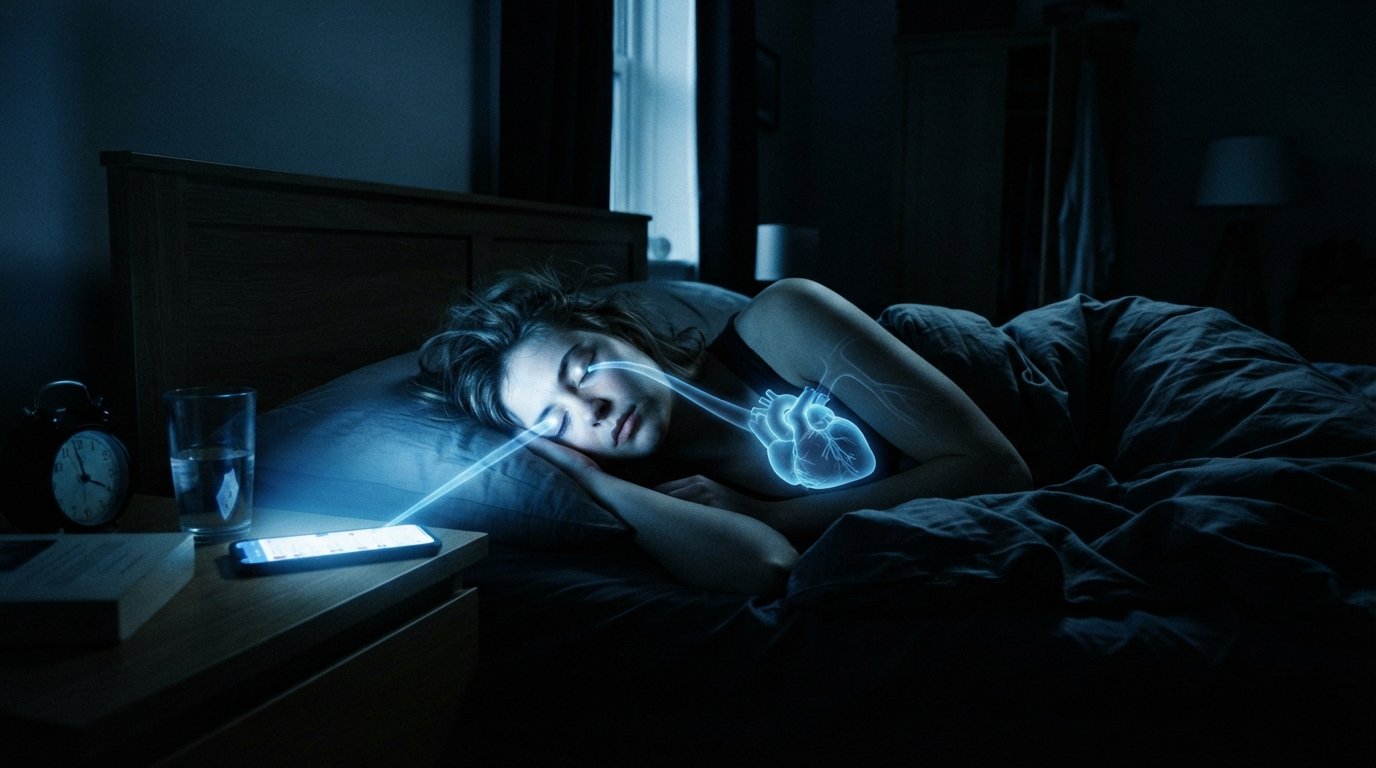
Disrupting the Natural Circadian Clock
Modern life relies heavily on artificial
lighting, screens, and 24-hour connectivity. However, recent medical research
highlights that excessive exposure to artificial light at night (ALAN) carries
severe physiological consequences.
The human body operates on a natural
circadian rhythm—an internal 24-hour biological clock regulated by light and
darkness. When bright artificial illumination, particularly blue light from
smartphones, televisions, and indoor fixtures, penetrates our sleep
environment, it suppresses melatonin production, triggering hormonal
imbalances, cardiovascular strain, and elevated risks of chronic diseases.
Primary Health Risks Of Nighttime Light Exposure
1. Increased Risk of Cardiovascular Disease
& Arrhythmia
Medical studies demonstrate a direct link
between artificial nighttime light exposure and cardiovascular vulnerability:
·
Elevated Heart Rate: Exposure
to ambient room light during sleep stimulates the sympathetic nervous system,
preventing the heart rate and blood pressure from dropping into restorative
nighttime levels.
·
Cardiac Arrhythmia: Irregular
biological clocks increase the risk of heart rhythm disorders (arrhythmia),
arterial stiffness, and long-term coronary complications.
·
Vascular Inflammation: Chronic
sleep disruption caused by light pollution accelerates oxidative stress in
blood vessel walls.
2. Elevated Cancer Risks for Night Shift
Workers
The World Health Organization (WHO) and
leading oncology researchers have classified night-shift work involving
circadian disruption as a probable health hazard:
·
Suppressed Melatonin: Melatonin
is not just a sleep hormone; it is a potent antioxidant that suppresses tumour
growth. Exposure to light at night sharply reduces nighttime melatonin surges.
·
Hormone-Sensitive Cancers:
Shift workers facing inverted sleep schedules experience significantly higher
rates of hormone-related cancers, including breast and prostate cancers.
·
DNA Repair Impairment: Altering
natural light-dark cycles disrupts cellular repair mechanisms that normally
take place during deep, dark sleep cycles.
3. Metabolic Disruption and Weight Gain
Artificial lighting at night interferes
with metabolic efficiency:
·
Insulin Resistance: Disrupted
circadian cycles reduce glucose tolerance, increasing vulnerability to Type 2
diabetes.
·
Appetite Dysregulation:
Inadequate darkness and fragmented sleep elevate cortisol and ghrelin (the
hunger hormone), promoting late-night snacking and weight gain.
Practical Steps To Protect Your Circadian Health
To minimize the harmful effects of
artificial light and protect your cardiovascular and metabolic health, adopt
these simple sleep hygiene practices:
·
Embrace Complete Darkness: Keep
your bedroom as dark as possible during sleep. Use blackout curtains or an eye
mask if ambient street lighting enters your room.
·
Switch to Warm Lighting in the
Evening: Replace bright white and blue light bulbs in living areas and bedrooms
with warm, low-intensity amber or red-toned lighting after sunset.
·
Implement a Digital Sunset:
Turn off smartphones, tablets, laptops, and televisions at least 60 minutes
before bedtime, or enable built-in blue light filter modes.
·
Maintain Consistent Sleep
Schedules: Go to bed and wake up at consistent times to reinforce your internal
circadian rhythm.
·
For Night Shift Workers: Use
blue-blocking glasses during the final hours of your shift and during the
commute home, and sleep in a fully darkened, soundproofed room during the day.
Final Takeaway
Quality sleep requires more than just
sufficient hours—it demands an environment aligned with human biology.
Prioritizing darkness at night is one of the most effective, zero-cost
interventions to protect your heart, balance your hormones, and support long-term
wellness.